Black Leopard Wrasse - Macropharyngodon negrosensis
Black Leopard Wrasse (Macropharyngodon negrosensis)
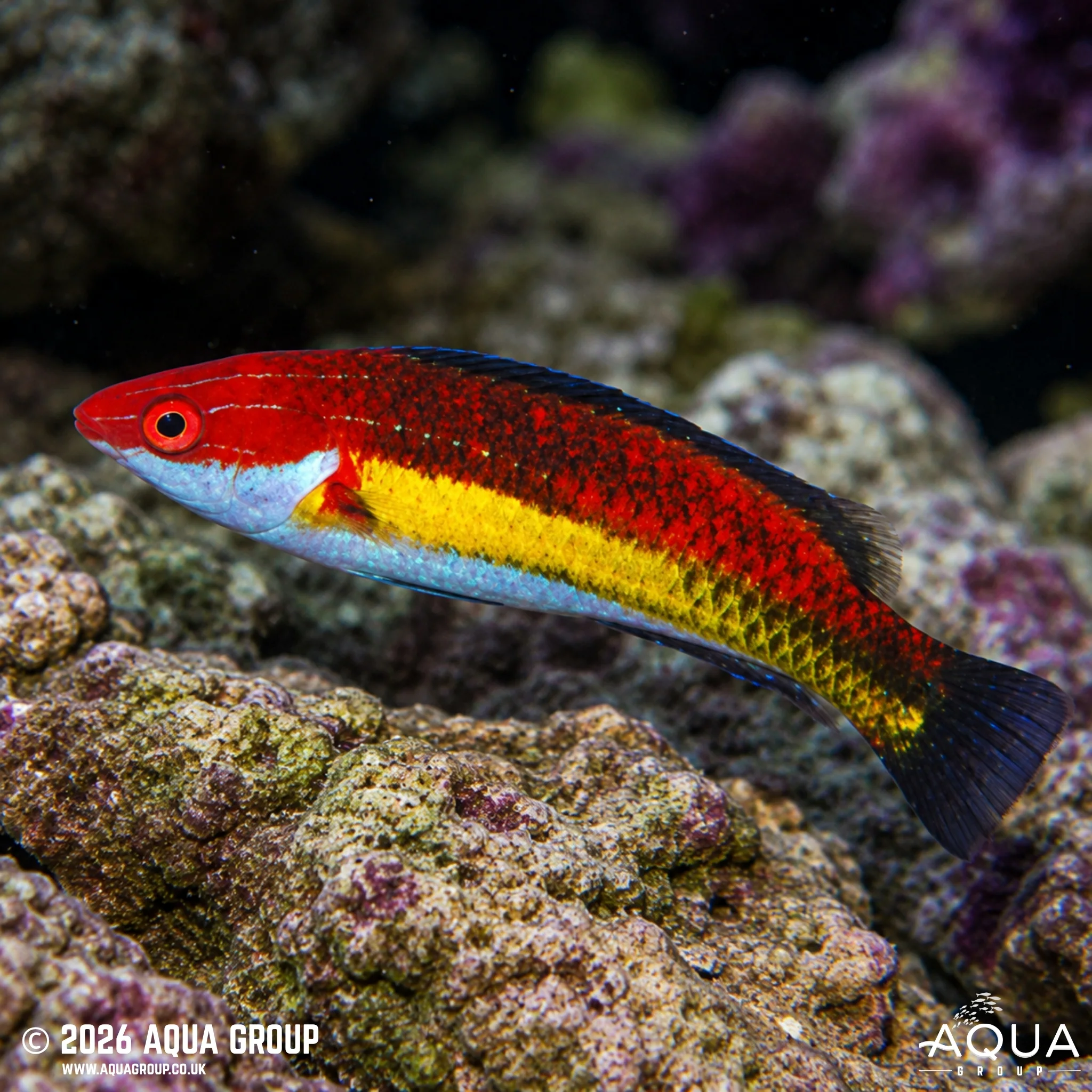
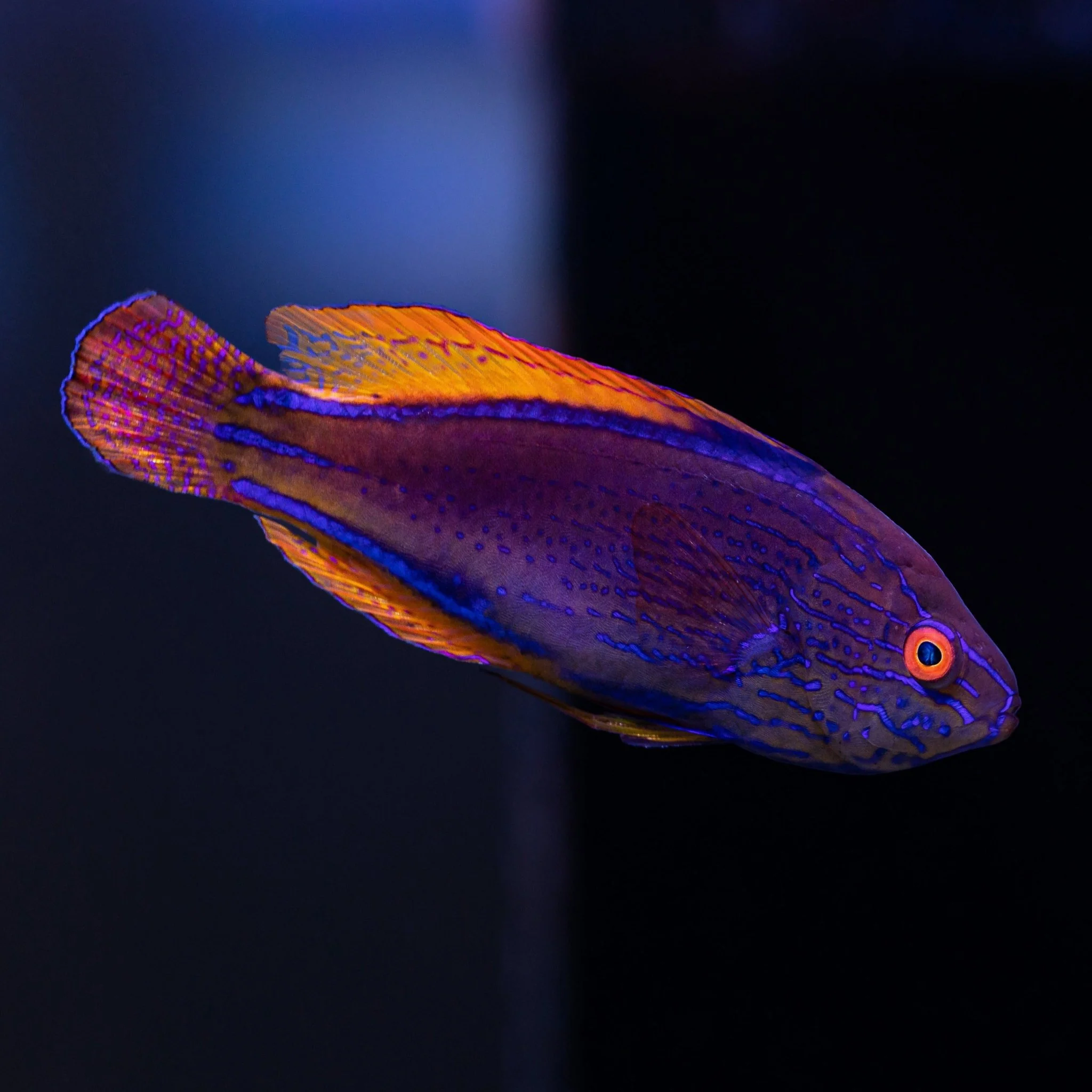
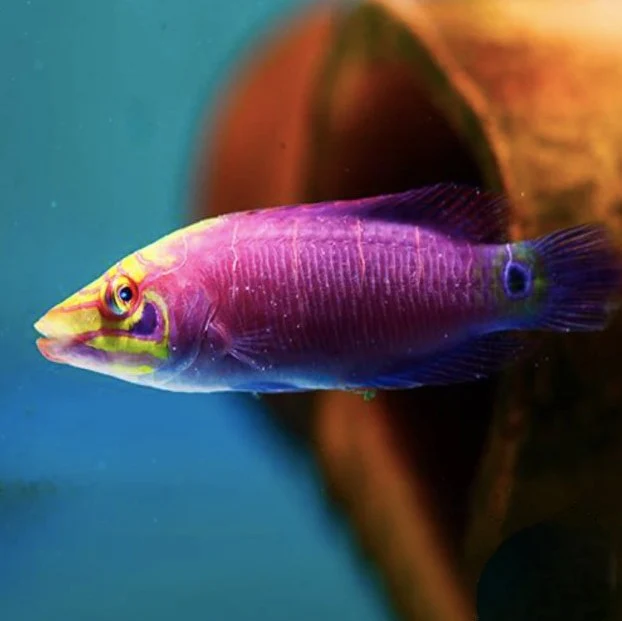
The Black Leopard Wrasse, Macropharyngodon negrosensis, is a beautiful and specialist reef wrasse with a dark body covered in pale blue, greenish or yellow spotting, giving it the distinctive leopard-like pattern that makes this species so desirable. Also known as the Yellowspotted Wrasse, Negros Leopard Wrasse or Black Leopard, this Indo-Pacific species is an active, peaceful micro-predator for mature reef aquariums. It is reef safe with caution, visually striking and fascinating to watch, but it requires a soft sand bed, established live rock and careful feeding to thrive long term.
Common Name:
Black Leopard Wrasse, Yellowspotted Wrasse, Negros Leopard Wrasse, Black Leopard, Leopard Wrasse.
Scientific Name (Latin):
Macropharyngodon negrosensis
Maximum Size:
Up to around 12 cm.
Water Type:
Marine
Origin / Natural Habitat:
Eastern Indian Ocean and Western Pacific, from the Andaman Sea and Christmas Island across to the Philippines and Samoa, north to the Ryukyu Islands and south to northern Australia. Naturally found in reef-associated habitats at around 8–32 m, usually close to sandy, rubble and coral areas where it can forage during the day and bury in the substrate at night.
Water Parameters:
Temperature: 24–27°C
pH Range: 8.1–8.4
Hardness or Salinity: SG 1.020–1.025
Temperament:
Peaceful and generally non-aggressive towards unrelated fish. It is best kept with calm reef-safe tank mates that will not bully it or outcompete it for food. It may show aggression towards other leopard wrasses or similar sand-sleeping wrasses, especially in smaller aquariums or if introduced poorly.
Diet:
Carnivorous micro-predator. In nature, it feeds on tiny benthic invertebrates picked from sand, rubble and reef surfaces, including small crustaceans, worms, molluscs and other microfauna. In the aquarium, offer frozen mysis, enriched brineshrimp, copepods, cyclops, calanus, finely chopped clam, finely chopped prawn and high-quality small marine pellets. A mature aquarium with a strong natural pod population is very helpful, especially while newly introduced specimens are settling.
Minimum Tank Size:
A minimum of 300 litres is recommended for a single specimen, with larger aquariums preferred for long-term success or for keeping more than one leopard wrasse. This species needs mature live rock, open foraging areas and a suitable sand bed rather than a bare-bottom or coarse-gravel setup.
Behaviour & Activity:
An active daytime forager that spends much of its time cruising close to the substrate and rockwork, picking at tiny prey. At night, when frightened or during initial acclimation, it buries itself completely in sand. Newly introduced specimens may remain hidden for several days while adjusting, which is normal provided the aquarium is stable. It is a delicate species during shipping and acclimation, so calm surroundings and low competition are important.
Reef Safe:
Reef Safe with Caution
Safe with corals and most sessile invertebrates, and it does not nip coral tissue. The caution is due to its natural feeding behaviour: it may eat small feather dusters, flatworms, tiny snails, small worms, pods and very small ornamental crustaceans. It is generally compatible with established cleaner shrimps, snails and hermit crabs, but very small invertebrates may be viewed as food.
Special Requirements or Care Notes:
A soft, fine sand bed is essential, as this species buries to sleep and hide. Avoid sharp coral gravel or coarse substrates, which can damage the fish. The aquarium should be mature, stable and rich in microfauna; newly set-up tanks are unsuitable. Leopard wrasses can be difficult to acclimate and may refuse prepared foods at first, so they are best for aquarists who can observe feeding closely and provide varied small foods. A secure lid is recommended, and aggressive tank mates should be avoided.
Suitable for:
Experienced fishkeepers
Availability:
Rare or occasional in trade
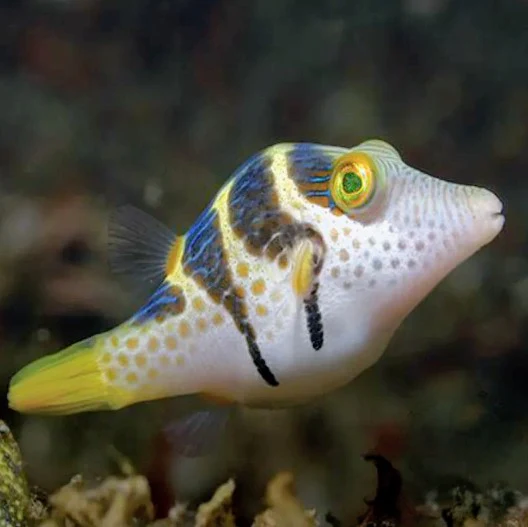
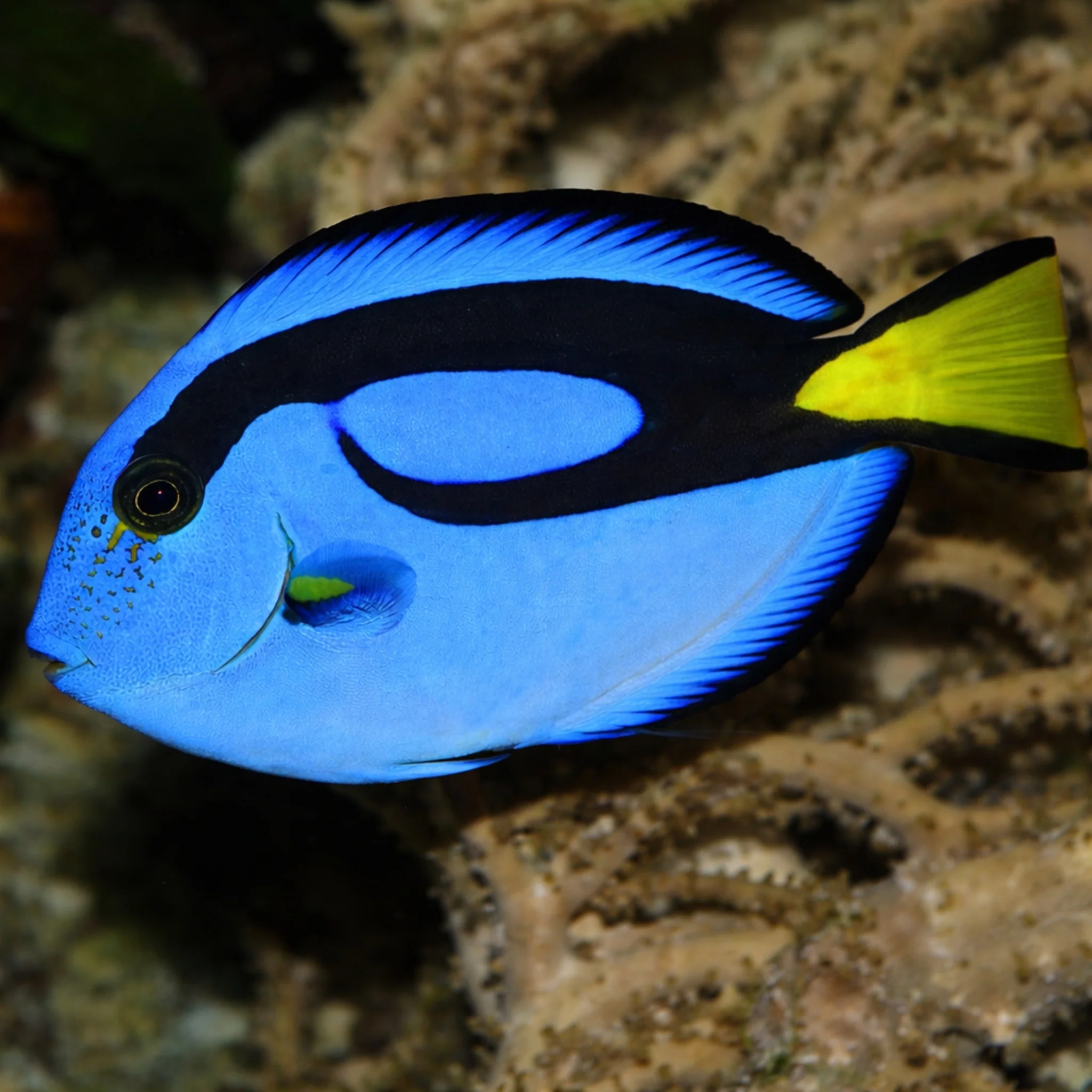
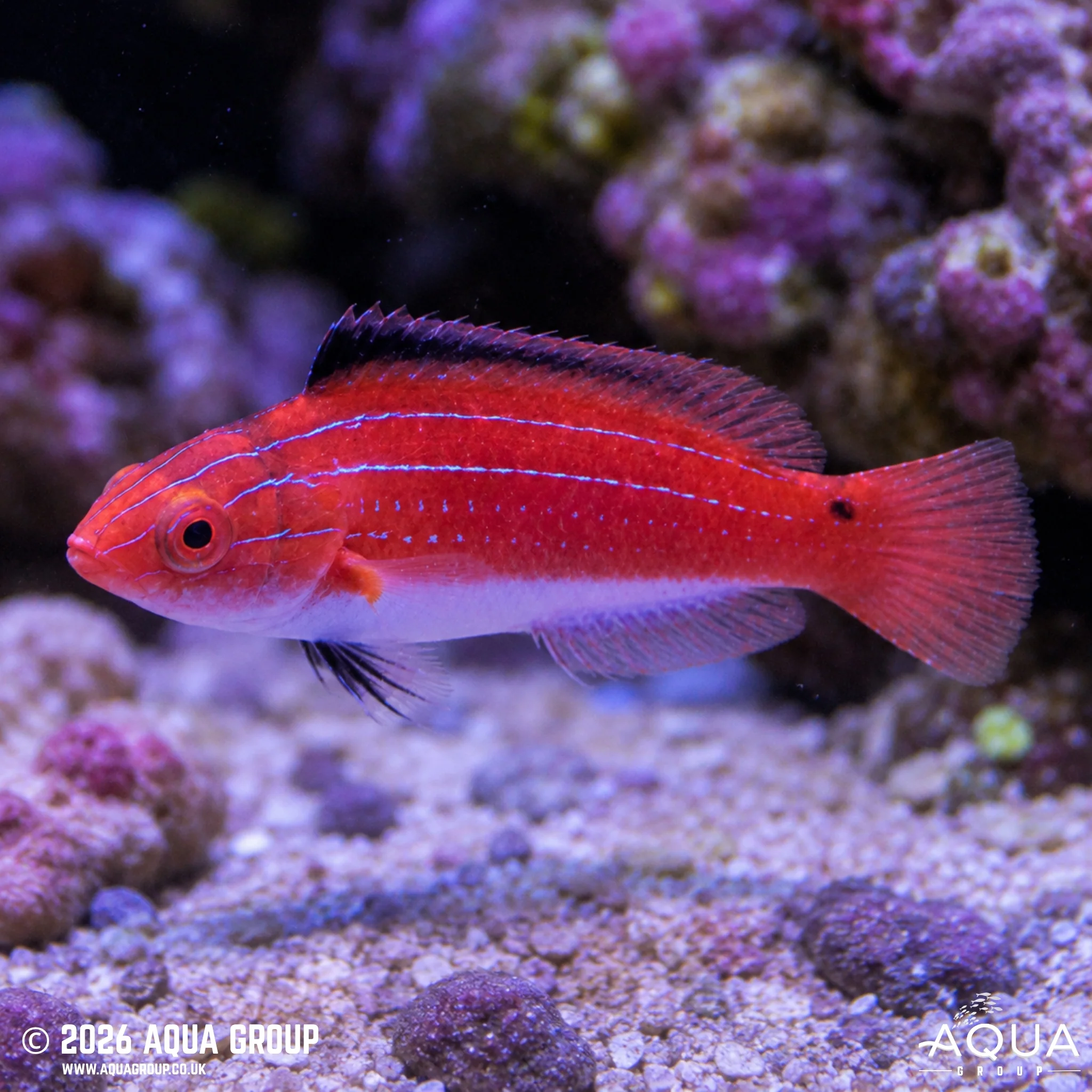
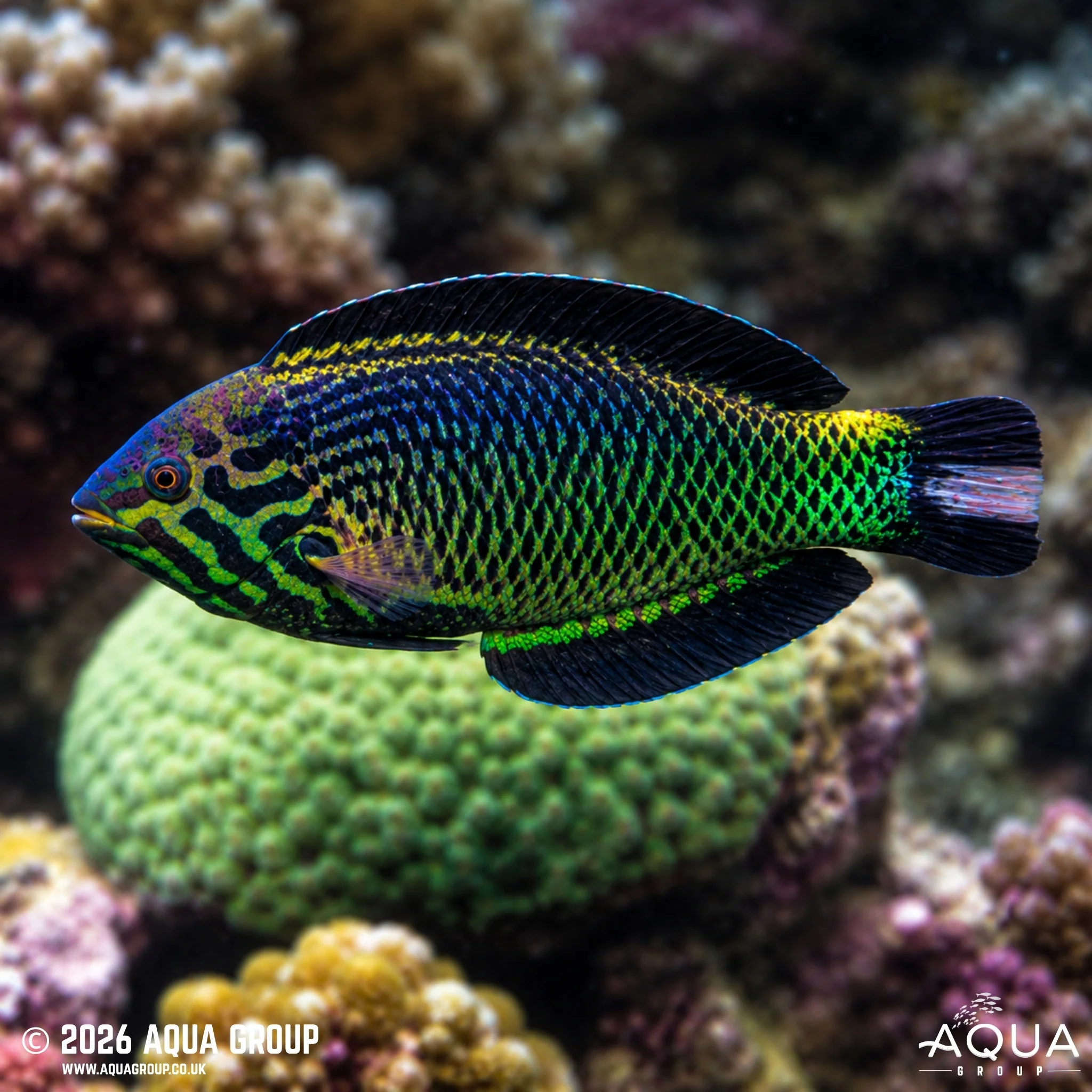
All images are a visual representation of the fish you will receive, made to be as accurate as possible. Please note that Mother Nature is a wonderful thing, and variation in patterns and colours will occur — that is part of the unique beauty of these animals.
Original: $53.81
-65%$53.81
$18.83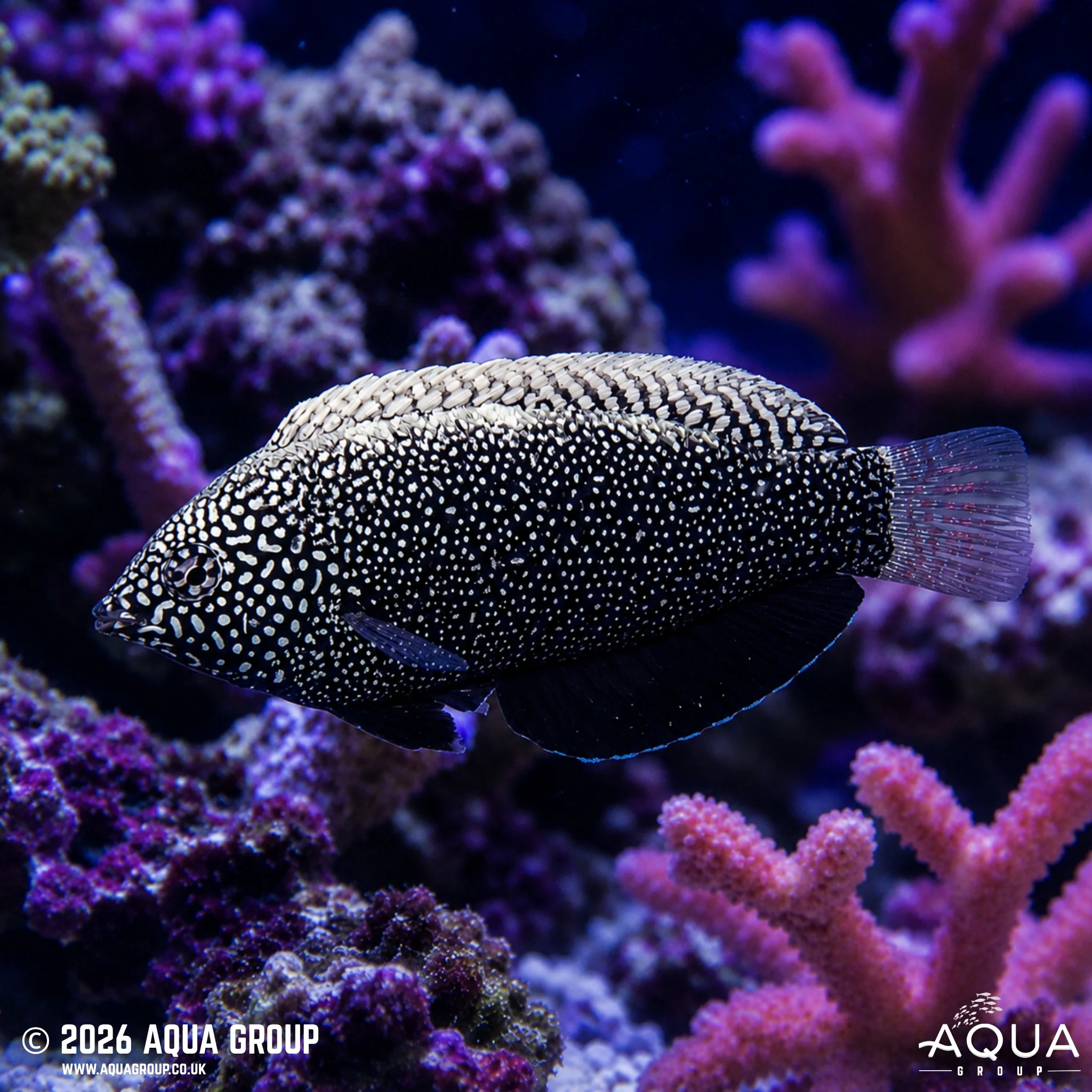
Description
Black Leopard Wrasse (Macropharyngodon negrosensis)
The Black Leopard Wrasse, Macropharyngodon negrosensis, is a beautiful and specialist reef wrasse with a dark body covered in pale blue, greenish or yellow spotting, giving it the distinctive leopard-like pattern that makes this species so desirable. Also known as the Yellowspotted Wrasse, Negros Leopard Wrasse or Black Leopard, this Indo-Pacific species is an active, peaceful micro-predator for mature reef aquariums. It is reef safe with caution, visually striking and fascinating to watch, but it requires a soft sand bed, established live rock and careful feeding to thrive long term.
Common Name:
Black Leopard Wrasse, Yellowspotted Wrasse, Negros Leopard Wrasse, Black Leopard, Leopard Wrasse.
Scientific Name (Latin):
Macropharyngodon negrosensis
Maximum Size:
Up to around 12 cm.
Water Type:
Marine
Origin / Natural Habitat:
Eastern Indian Ocean and Western Pacific, from the Andaman Sea and Christmas Island across to the Philippines and Samoa, north to the Ryukyu Islands and south to northern Australia. Naturally found in reef-associated habitats at around 8–32 m, usually close to sandy, rubble and coral areas where it can forage during the day and bury in the substrate at night.
Water Parameters:
Temperature: 24–27°C
pH Range: 8.1–8.4
Hardness or Salinity: SG 1.020–1.025
Temperament:
Peaceful and generally non-aggressive towards unrelated fish. It is best kept with calm reef-safe tank mates that will not bully it or outcompete it for food. It may show aggression towards other leopard wrasses or similar sand-sleeping wrasses, especially in smaller aquariums or if introduced poorly.
Diet:
Carnivorous micro-predator. In nature, it feeds on tiny benthic invertebrates picked from sand, rubble and reef surfaces, including small crustaceans, worms, molluscs and other microfauna. In the aquarium, offer frozen mysis, enriched brineshrimp, copepods, cyclops, calanus, finely chopped clam, finely chopped prawn and high-quality small marine pellets. A mature aquarium with a strong natural pod population is very helpful, especially while newly introduced specimens are settling.
Minimum Tank Size:
A minimum of 300 litres is recommended for a single specimen, with larger aquariums preferred for long-term success or for keeping more than one leopard wrasse. This species needs mature live rock, open foraging areas and a suitable sand bed rather than a bare-bottom or coarse-gravel setup.
Behaviour & Activity:
An active daytime forager that spends much of its time cruising close to the substrate and rockwork, picking at tiny prey. At night, when frightened or during initial acclimation, it buries itself completely in sand. Newly introduced specimens may remain hidden for several days while adjusting, which is normal provided the aquarium is stable. It is a delicate species during shipping and acclimation, so calm surroundings and low competition are important.
Reef Safe:
Reef Safe with Caution
Safe with corals and most sessile invertebrates, and it does not nip coral tissue. The caution is due to its natural feeding behaviour: it may eat small feather dusters, flatworms, tiny snails, small worms, pods and very small ornamental crustaceans. It is generally compatible with established cleaner shrimps, snails and hermit crabs, but very small invertebrates may be viewed as food.
Special Requirements or Care Notes:
A soft, fine sand bed is essential, as this species buries to sleep and hide. Avoid sharp coral gravel or coarse substrates, which can damage the fish. The aquarium should be mature, stable and rich in microfauna; newly set-up tanks are unsuitable. Leopard wrasses can be difficult to acclimate and may refuse prepared foods at first, so they are best for aquarists who can observe feeding closely and provide varied small foods. A secure lid is recommended, and aggressive tank mates should be avoided.
Suitable for:
Experienced fishkeepers
Availability:
Rare or occasional in trade
All images are a visual representation of the fish you will receive, made to be as accurate as possible. Please note that Mother Nature is a wonderful thing, and variation in patterns and colours will occur — that is part of the unique beauty of these animals.