Tomini Tang - Ctenochaetus tominiensis
Tomini Tang (Ctenochaetus tominiensis)
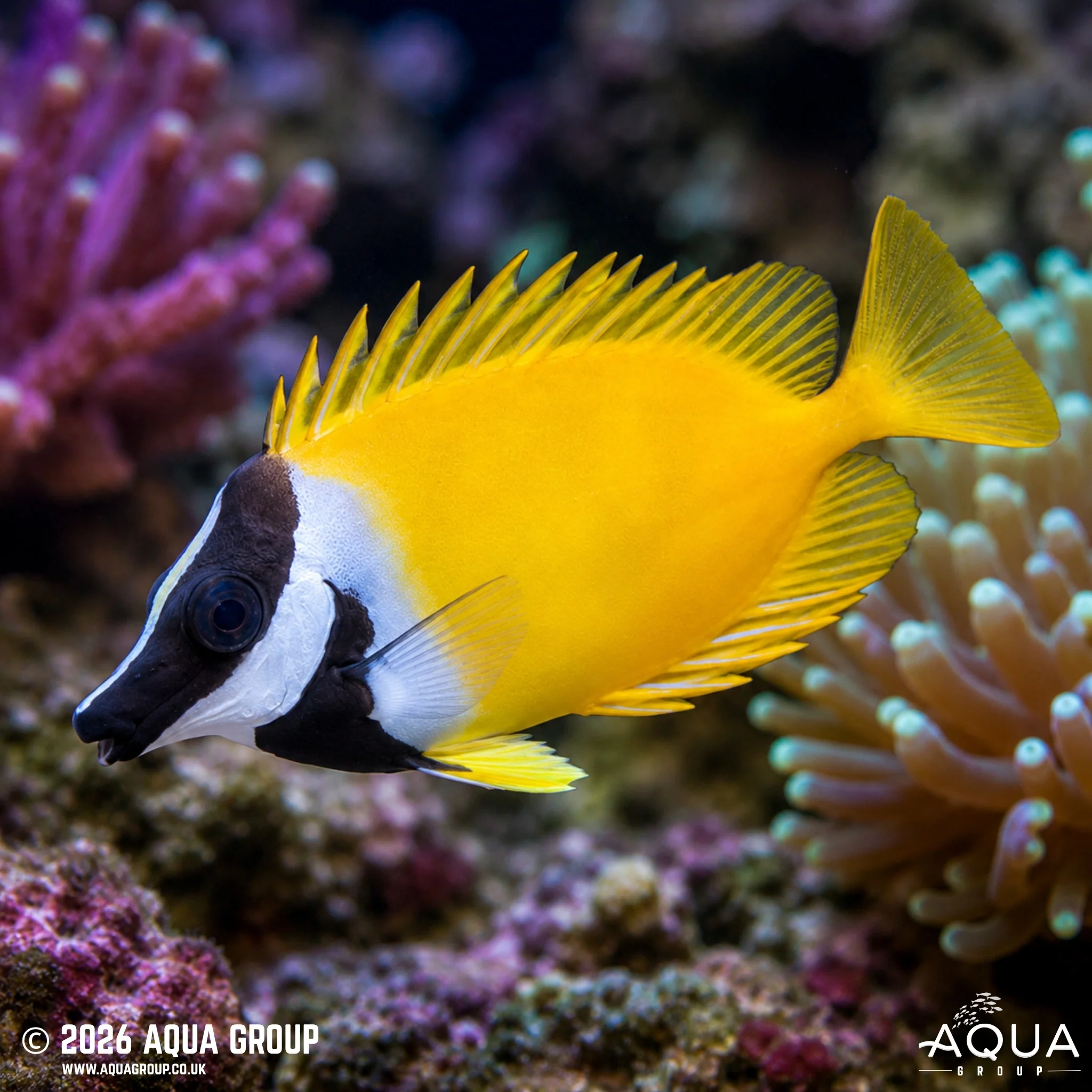
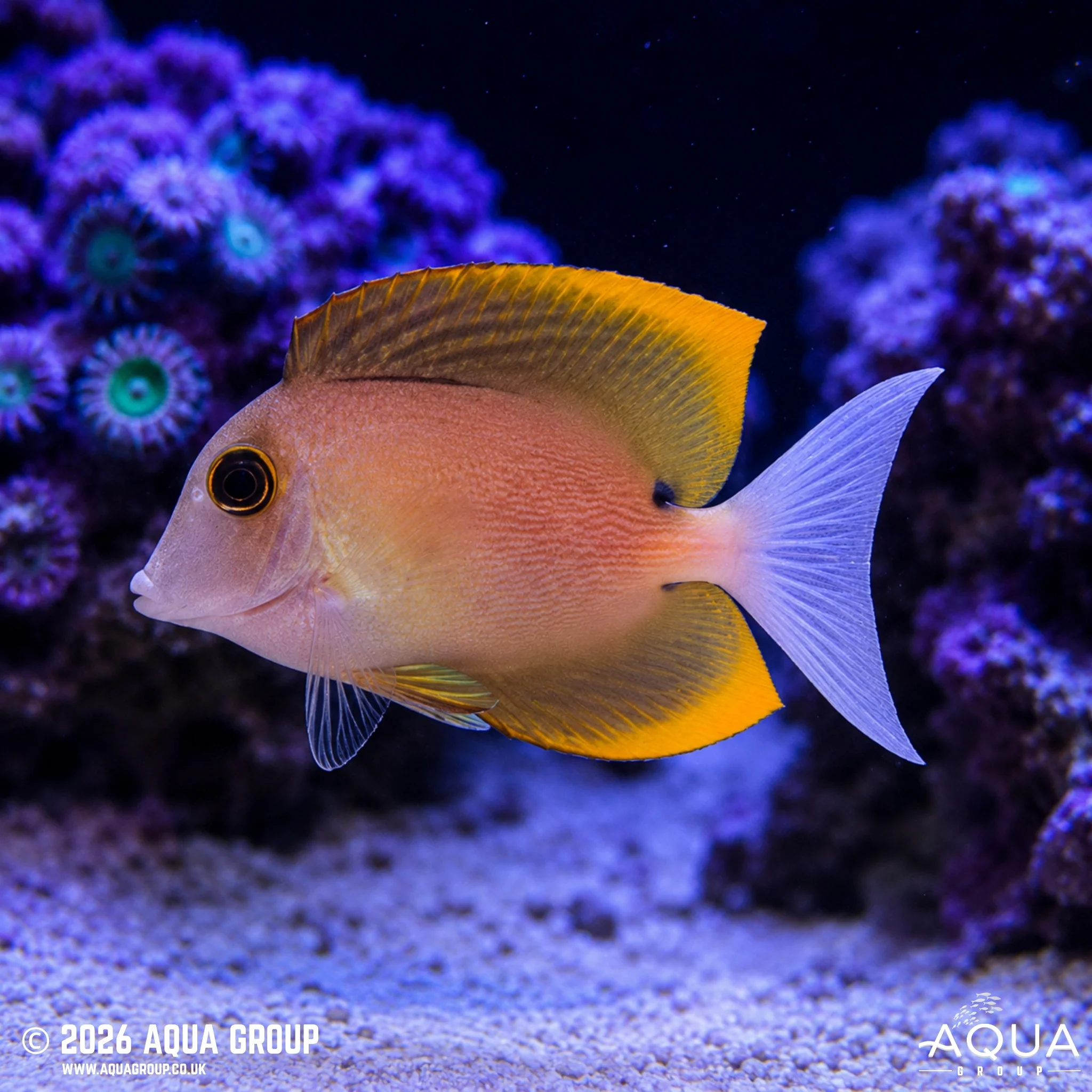
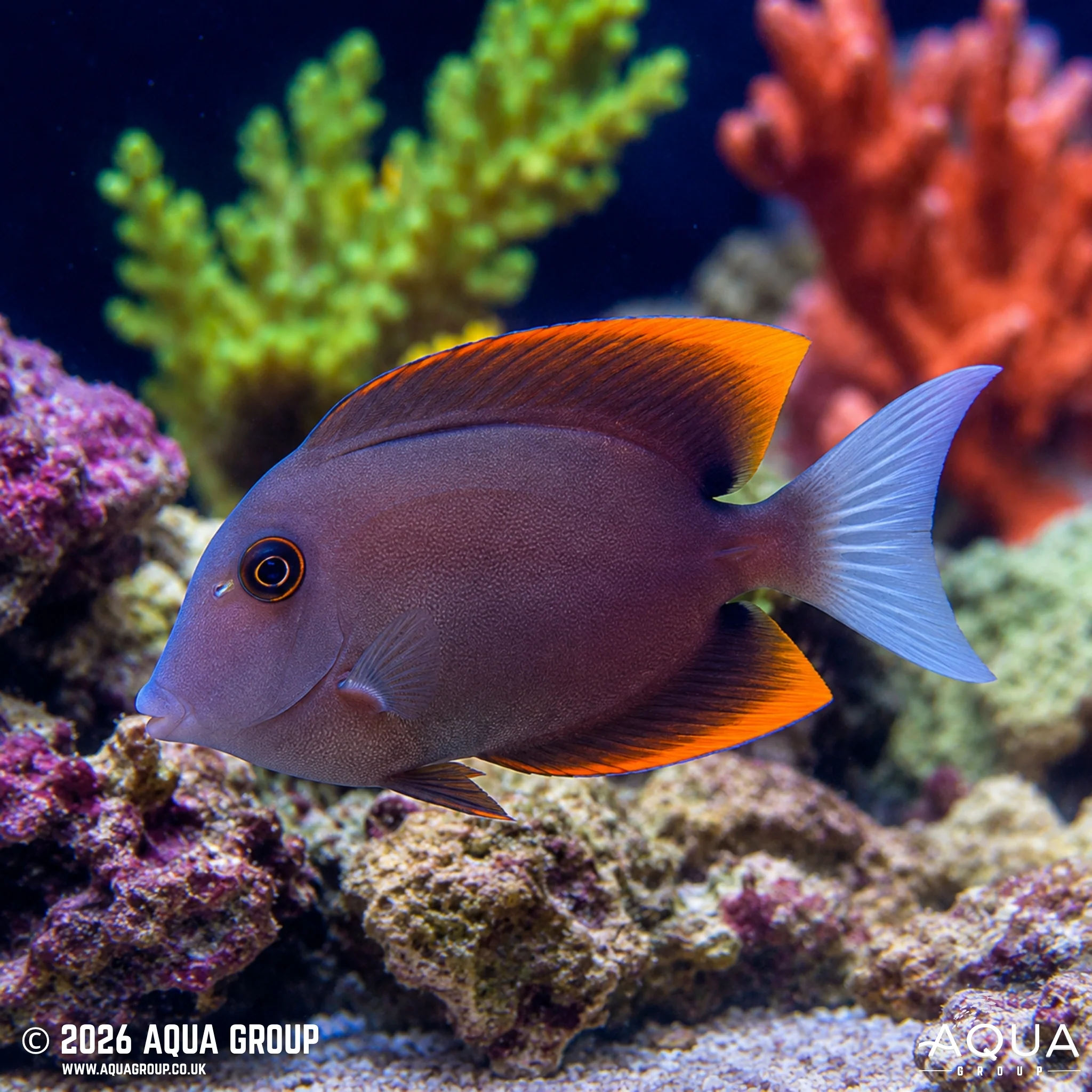
The Tomini Tang, Ctenochaetus tominiensis, is a compact and attractive bristletooth tang with a brown to tan body, orange to gold fin edging and a pale tail that becomes more elegant as it matures. Also known as the Tomini Surgeonfish, Flame-fin Tang or Bristletooth Tomini Tang, this Western Central Pacific species is valued in marine aquariums for its constant grazing behaviour and relatively smaller adult size compared with many surgeonfish. It is generally reef safe and useful for grazing algae films, but it still needs a spacious, mature aquarium with open swimming room, established rockwork and a vegetable-rich diet.
Common Name:
Tomini Tang, Tomini Surgeonfish, Bristletooth Tomini Tang, Flame-fin Tang, Flame Fin Surgeonfish, Gold Rush Tang.
Scientific Name (Latin):
Ctenochaetus tominiensis
Maximum Size:
Up to around 16 cm standard length in the wild. Aquarium specimens are usually around 12–16 cm, but should still be planned for as an active surgeonfish.
Water Type:
Marine
Origin / Natural Habitat:
Western Central Pacific, including Indonesia, the Philippines, Papua New Guinea, the northern Great Barrier Reef, Solomon Islands, Palau, Vanuatu and Fiji, with records from Tonga. Naturally found singly or in small groups along sheltered coastal reef drop-offs and steep coral-rich slopes, usually grazing algae films and the microfauna living among them.
Water Parameters:
Temperature: 24–27°C
pH Range: 8.1–8.4
Hardness or Salinity: SG 1.020–1.025
Temperament:
Generally peaceful to semi-assertive. The Tomini Tang is usually one of the more manageable tangs, but it can still become territorial, especially towards other tangs, surgeonfish or similar algae-grazing species. It is best kept with peaceful to moderately robust marine fish in a suitably sized aquarium.
Diet:
Primarily herbivorous with microfauna grazing. In the wild, it feeds on algae films and tiny organisms living within the algae. In the aquarium, provide marine algae sheets, nori, spirulina flakes, herbivore pellets, algae-based frozen foods and regular grazing opportunities on mature live rock. Supplement with small amounts of mysis, brineshrimp or mixed marine frozen food, but plant and algae-based foods should remain central to the diet.
Minimum Tank Size:
A minimum of 300 litres is recommended for a single specimen, with larger aquariums preferred for long-term care or if keeping with other active grazers. Provide plenty of swimming space, mature rockwork and strong filtration.
Behaviour & Activity:
An active daytime grazer that spends much of its time patrolling rockwork, glass and hard surfaces, rasping algae films with its bristle-like teeth. It needs open swimming room as well as rockwork for grazing and retreating. Like other surgeonfish, it has a sharp caudal scalpel near the tail and may use it defensively if threatened. It can become more confident and territorial once established.
Reef Safe:
Reef Safe
Generally safe with corals, snails, hermit crabs, cleaner shrimps and most ornamental invertebrates. It is often useful in reef aquariums for grazing film algae and detrital growth. The main reef concerns are territorial behaviour towards other tangs and the need to keep it well fed with vegetable matter to support long-term health.
Special Requirements or Care Notes:
Requires a mature marine aquarium with established grazing surfaces, strong oxygenation and stable water quality. Feed algae-based foods regularly rather than relying only on natural tank algae. Avoid keeping with multiple similar tangs unless the aquarium is very large, and introduce surgeonfish carefully to reduce aggression. Handle with care when moving or netting, as the tail spine can injure both fish and aquarist. A secure lid is recommended for active marine fish.
Suitable for:
Intermediate fishkeepers
Availability:
Common in trade
All images are a visual representation of the fish you will receive, made to be as accurate as possible. Please note that Mother Nature is a wonderful thing, and variation in patterns and colours will occur — that is part of the unique beauty of these animals.
Description
Tomini Tang (Ctenochaetus tominiensis)
The Tomini Tang, Ctenochaetus tominiensis, is a compact and attractive bristletooth tang with a brown to tan body, orange to gold fin edging and a pale tail that becomes more elegant as it matures. Also known as the Tomini Surgeonfish, Flame-fin Tang or Bristletooth Tomini Tang, this Western Central Pacific species is valued in marine aquariums for its constant grazing behaviour and relatively smaller adult size compared with many surgeonfish. It is generally reef safe and useful for grazing algae films, but it still needs a spacious, mature aquarium with open swimming room, established rockwork and a vegetable-rich diet.
Common Name:
Tomini Tang, Tomini Surgeonfish, Bristletooth Tomini Tang, Flame-fin Tang, Flame Fin Surgeonfish, Gold Rush Tang.
Scientific Name (Latin):
Ctenochaetus tominiensis
Maximum Size:
Up to around 16 cm standard length in the wild. Aquarium specimens are usually around 12–16 cm, but should still be planned for as an active surgeonfish.
Water Type:
Marine
Origin / Natural Habitat:
Western Central Pacific, including Indonesia, the Philippines, Papua New Guinea, the northern Great Barrier Reef, Solomon Islands, Palau, Vanuatu and Fiji, with records from Tonga. Naturally found singly or in small groups along sheltered coastal reef drop-offs and steep coral-rich slopes, usually grazing algae films and the microfauna living among them.
Water Parameters:
Temperature: 24–27°C
pH Range: 8.1–8.4
Hardness or Salinity: SG 1.020–1.025
Temperament:
Generally peaceful to semi-assertive. The Tomini Tang is usually one of the more manageable tangs, but it can still become territorial, especially towards other tangs, surgeonfish or similar algae-grazing species. It is best kept with peaceful to moderately robust marine fish in a suitably sized aquarium.
Diet:
Primarily herbivorous with microfauna grazing. In the wild, it feeds on algae films and tiny organisms living within the algae. In the aquarium, provide marine algae sheets, nori, spirulina flakes, herbivore pellets, algae-based frozen foods and regular grazing opportunities on mature live rock. Supplement with small amounts of mysis, brineshrimp or mixed marine frozen food, but plant and algae-based foods should remain central to the diet.
Minimum Tank Size:
A minimum of 300 litres is recommended for a single specimen, with larger aquariums preferred for long-term care or if keeping with other active grazers. Provide plenty of swimming space, mature rockwork and strong filtration.
Behaviour & Activity:
An active daytime grazer that spends much of its time patrolling rockwork, glass and hard surfaces, rasping algae films with its bristle-like teeth. It needs open swimming room as well as rockwork for grazing and retreating. Like other surgeonfish, it has a sharp caudal scalpel near the tail and may use it defensively if threatened. It can become more confident and territorial once established.
Reef Safe:
Reef Safe
Generally safe with corals, snails, hermit crabs, cleaner shrimps and most ornamental invertebrates. It is often useful in reef aquariums for grazing film algae and detrital growth. The main reef concerns are territorial behaviour towards other tangs and the need to keep it well fed with vegetable matter to support long-term health.
Special Requirements or Care Notes:
Requires a mature marine aquarium with established grazing surfaces, strong oxygenation and stable water quality. Feed algae-based foods regularly rather than relying only on natural tank algae. Avoid keeping with multiple similar tangs unless the aquarium is very large, and introduce surgeonfish carefully to reduce aggression. Handle with care when moving or netting, as the tail spine can injure both fish and aquarist. A secure lid is recommended for active marine fish.
Suitable for:
Intermediate fishkeepers
Availability:
Common in trade
All images are a visual representation of the fish you will receive, made to be as accurate as possible. Please note that Mother Nature is a wonderful thing, and variation in patterns and colours will occur — that is part of the unique beauty of these animals.