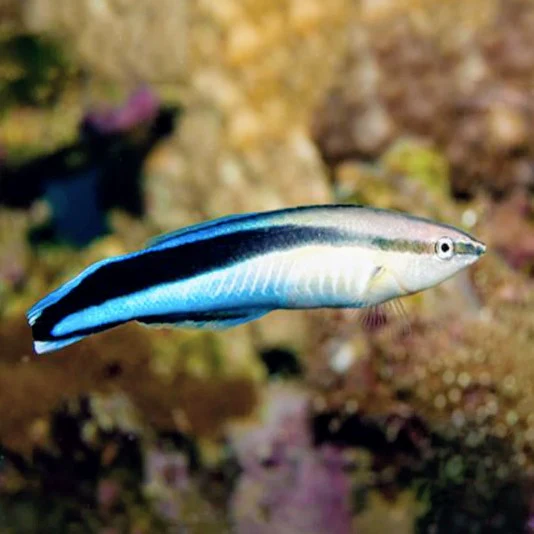
Aiptasia Eating Filefish - Acreichthys Tomentosus
Aiptasia Eating Filefish (Acreichthys tomentosus)
The Aiptasia Eating Filefish, Acreichthys tomentosus, is a small, camouflaged marine filefish best known for its usefulness in controlling Aiptasia pest anemones. Also sold as the Bristletail Filefish, Matted Filefish or Seagrass Filefish, this Indo-West Pacific species has a mottled green, brown and cream body with the ability to blend into rockwork, algae, rubble and seagrass. It can be an excellent addition to mature marine aquariums, but it should be treated as reef safe with caution because individuals vary in their interest in both pest anemones and desirable corals.
Common Name:
Aiptasia Eating Filefish, Bristletail Filefish, Bristle-tail Filefish, Matted Filefish, Seagrass Filefish, Matted Leatherjacket, Bristletail Leatherjacket.
Scientific Name (Latin):
Acreichthys tomentosus
Maximum Size:
Up to around 12 cm in the wild, with some references giving up to around 14 cm. Aquarium specimens often remain closer to 7–10 cm.
Water Type:
Marine
Origin / Natural Habitat:
Indo-West Pacific, including East Africa, Sri Lanka, Southeast Asia, Indonesia, the Philippines, Japan’s Ryukyu region, northern Australia, New Caledonia, Fiji and nearby western Pacific areas. Naturally found in shallow coral reefs, lagoons, seagrass beds, weed areas, rubble zones and debris-rich reef margins, where its mottled body pattern helps it hide among algae, sponges, seagrass and broken reef structure.
Water Parameters:
Temperature: 24–27°C
pH Range: 8.1–8.4
Hardness or Salinity: SG 1.020–1.025
Temperament:
Generally peaceful and shy, but may become territorial towards other filefish or very similar species. It is best kept with calm to moderately active marine fish that will not bully it or outcompete it at feeding time. Avoid aggressive triggers, large puffers and boisterous predators.
Diet:
Omnivorous micro-predator. In nature, it feeds on small invertebrates including amphipods, polychaete worms and molluscs, along with other foods picked from seagrass, rubble and reef surfaces. In the aquarium, offer frozen mysis, enriched brineshrimp, chopped clam, mussel, finely chopped seafood, copepod-based foods, quality marine pellets and occasional algae-based foods. Many specimens will eat Aiptasia anemones, but this is not guaranteed and should not be relied upon as the fish’s only food source.
Minimum Tank Size:
A minimum of 150 litres is recommended for a single specimen, with larger aquariums preferred for reef systems or mixed community displays. Provide mature rockwork, grazing surfaces, caves, overhangs and quieter areas where the fish can retreat.
Behaviour & Activity:
A slow, deliberate swimmer that spends much of its time inspecting rockwork, algae growth, rubble and aquarium surfaces for food. It may hover at unusual angles, move carefully through structure and change shade or pattern to blend into its surroundings. It is usually solitary in the wild, though pairs may sometimes be seen. In aquariums it does best in a calm, mature system with plenty of cover.
Reef Safe:
Reef Safe with Caution
Often used in reef aquariums for Aiptasia control, but not guaranteed safe with all corals and invertebrates. Some individuals may nip zoanthids, mushroom corals, soft corals, fleshy LPS corals, clam mantles, tube worms or other sessile invertebrates, especially once Aiptasia is reduced or if the fish is underfed. It is generally safe with most mobile invertebrates such as snails and hermit crabs, but individual behaviour varies.
Special Requirements or Care Notes:
Do not purchase this species solely as a guaranteed Aiptasia solution, as some individuals eat pest anemones readily while others ignore them. Keep it well fed with a varied diet to reduce unwanted picking at corals and other sessile invertebrates. Mature males may develop bristle-like structures on the body, which are absent or less obvious in females. Avoid housing with aggressive fish that may intimidate it. A secure lid is recommended, as startled marine fish may jump.
Suitable for:
Intermediate fishkeepers
Availability:
Common in trade / Captive-bred where relevant
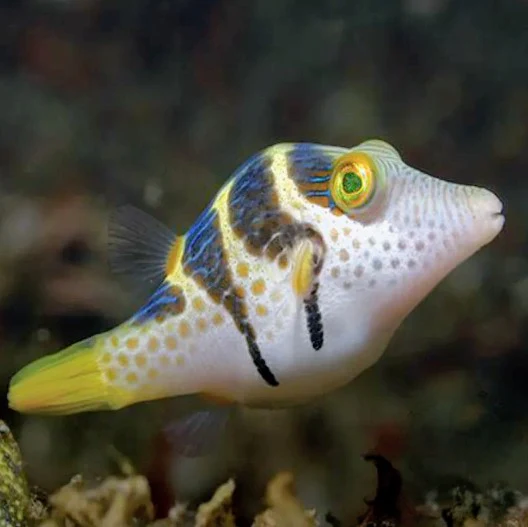
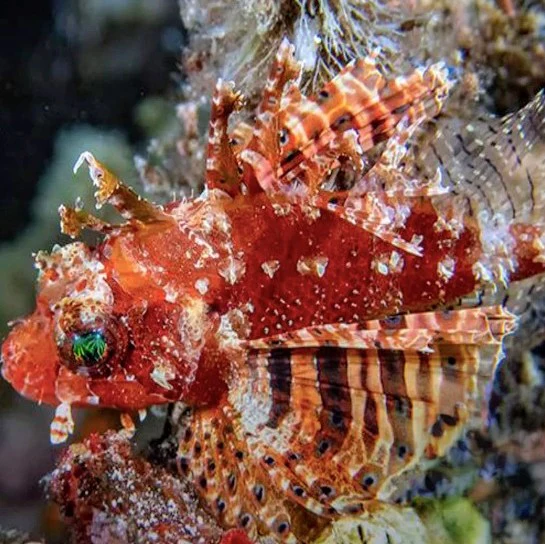
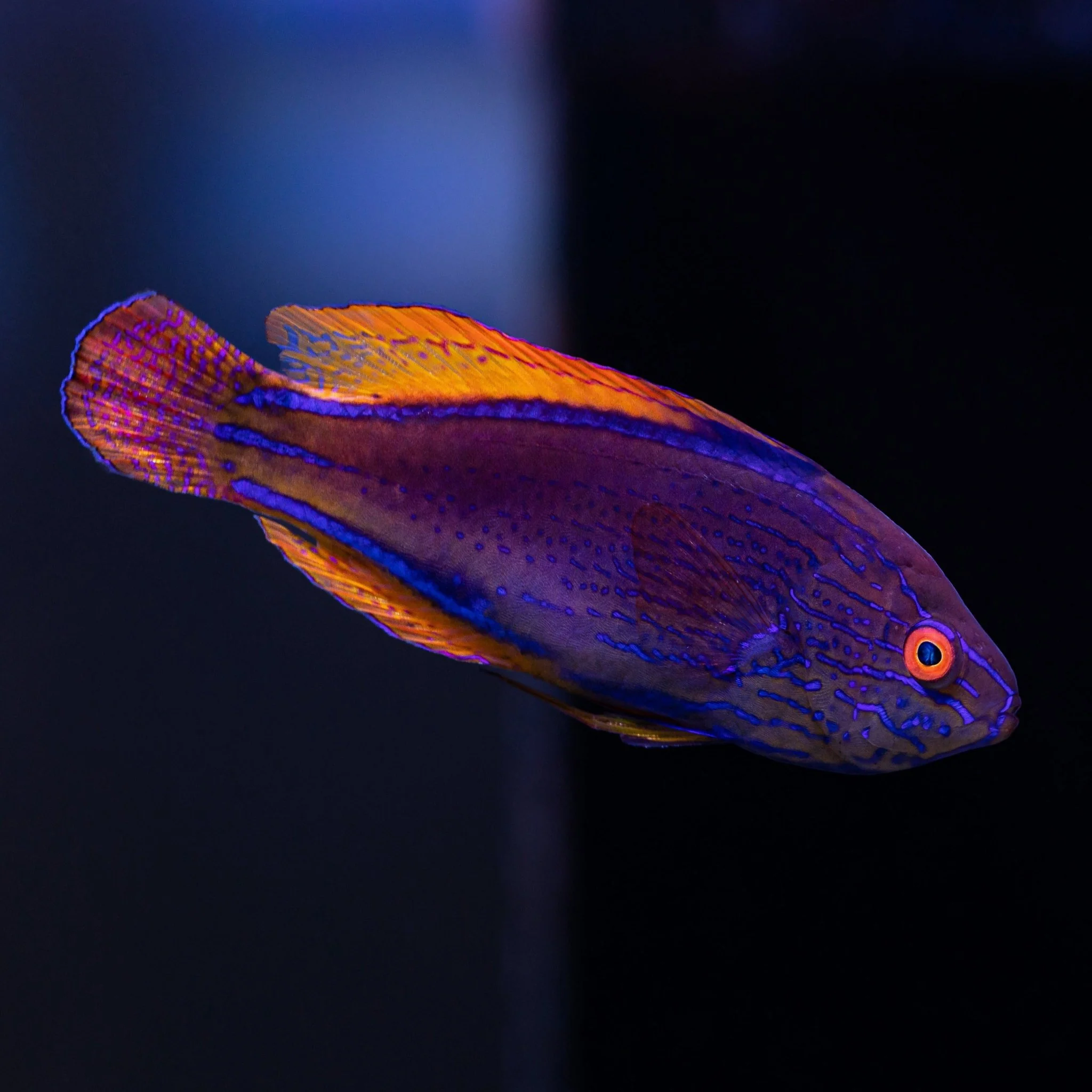
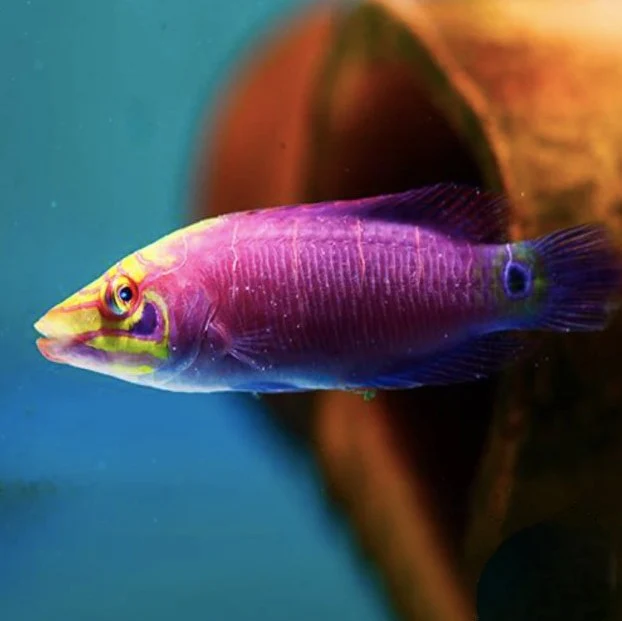
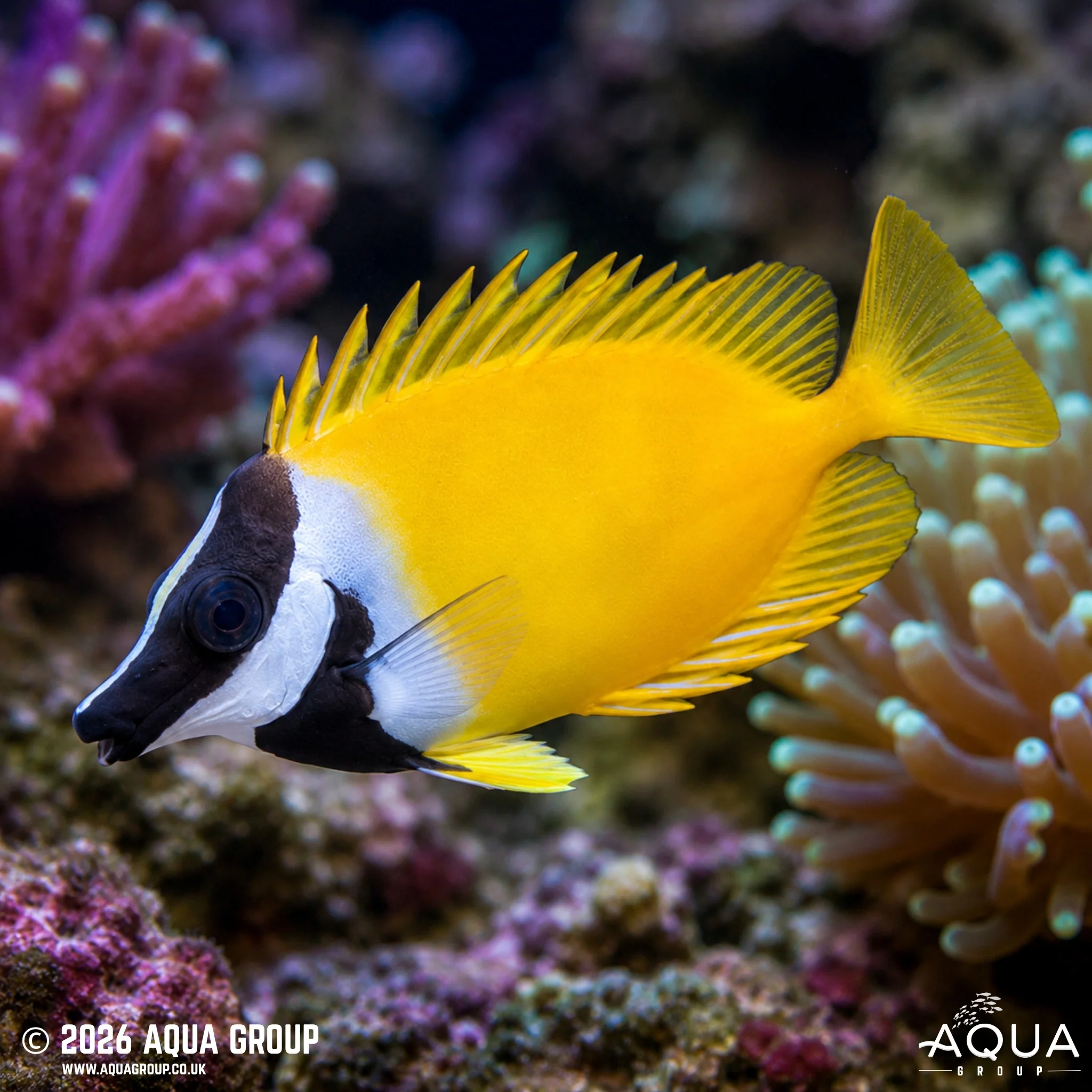
All images are a visual representation of the fish you will receive, made to be as accurate as possible. Please note that Mother Nature is a wonderful thing, and variation in patterns and colours will occur — that is part of the unique beauty of these animals.

Description
Aiptasia Eating Filefish (Acreichthys tomentosus)
The Aiptasia Eating Filefish, Acreichthys tomentosus, is a small, camouflaged marine filefish best known for its usefulness in controlling Aiptasia pest anemones. Also sold as the Bristletail Filefish, Matted Filefish or Seagrass Filefish, this Indo-West Pacific species has a mottled green, brown and cream body with the ability to blend into rockwork, algae, rubble and seagrass. It can be an excellent addition to mature marine aquariums, but it should be treated as reef safe with caution because individuals vary in their interest in both pest anemones and desirable corals.
Common Name:
Aiptasia Eating Filefish, Bristletail Filefish, Bristle-tail Filefish, Matted Filefish, Seagrass Filefish, Matted Leatherjacket, Bristletail Leatherjacket.
Scientific Name (Latin):
Acreichthys tomentosus
Maximum Size:
Up to around 12 cm in the wild, with some references giving up to around 14 cm. Aquarium specimens often remain closer to 7–10 cm.
Water Type:
Marine
Origin / Natural Habitat:
Indo-West Pacific, including East Africa, Sri Lanka, Southeast Asia, Indonesia, the Philippines, Japan’s Ryukyu region, northern Australia, New Caledonia, Fiji and nearby western Pacific areas. Naturally found in shallow coral reefs, lagoons, seagrass beds, weed areas, rubble zones and debris-rich reef margins, where its mottled body pattern helps it hide among algae, sponges, seagrass and broken reef structure.
Water Parameters:
Temperature: 24–27°C
pH Range: 8.1–8.4
Hardness or Salinity: SG 1.020–1.025
Temperament:
Generally peaceful and shy, but may become territorial towards other filefish or very similar species. It is best kept with calm to moderately active marine fish that will not bully it or outcompete it at feeding time. Avoid aggressive triggers, large puffers and boisterous predators.
Diet:
Omnivorous micro-predator. In nature, it feeds on small invertebrates including amphipods, polychaete worms and molluscs, along with other foods picked from seagrass, rubble and reef surfaces. In the aquarium, offer frozen mysis, enriched brineshrimp, chopped clam, mussel, finely chopped seafood, copepod-based foods, quality marine pellets and occasional algae-based foods. Many specimens will eat Aiptasia anemones, but this is not guaranteed and should not be relied upon as the fish’s only food source.
Minimum Tank Size:
A minimum of 150 litres is recommended for a single specimen, with larger aquariums preferred for reef systems or mixed community displays. Provide mature rockwork, grazing surfaces, caves, overhangs and quieter areas where the fish can retreat.
Behaviour & Activity:
A slow, deliberate swimmer that spends much of its time inspecting rockwork, algae growth, rubble and aquarium surfaces for food. It may hover at unusual angles, move carefully through structure and change shade or pattern to blend into its surroundings. It is usually solitary in the wild, though pairs may sometimes be seen. In aquariums it does best in a calm, mature system with plenty of cover.
Reef Safe:
Reef Safe with Caution
Often used in reef aquariums for Aiptasia control, but not guaranteed safe with all corals and invertebrates. Some individuals may nip zoanthids, mushroom corals, soft corals, fleshy LPS corals, clam mantles, tube worms or other sessile invertebrates, especially once Aiptasia is reduced or if the fish is underfed. It is generally safe with most mobile invertebrates such as snails and hermit crabs, but individual behaviour varies.
Special Requirements or Care Notes:
Do not purchase this species solely as a guaranteed Aiptasia solution, as some individuals eat pest anemones readily while others ignore them. Keep it well fed with a varied diet to reduce unwanted picking at corals and other sessile invertebrates. Mature males may develop bristle-like structures on the body, which are absent or less obvious in females. Avoid housing with aggressive fish that may intimidate it. A secure lid is recommended, as startled marine fish may jump.
Suitable for:
Intermediate fishkeepers
Availability:
Common in trade / Captive-bred where relevant
All images are a visual representation of the fish you will receive, made to be as accurate as possible. Please note that Mother Nature is a wonderful thing, and variation in patterns and colours will occur — that is part of the unique beauty of these animals.