Square Anthias - Pseudanthias pleurotaenia
Square Anthias (Pseudanthias pleurotaenia)
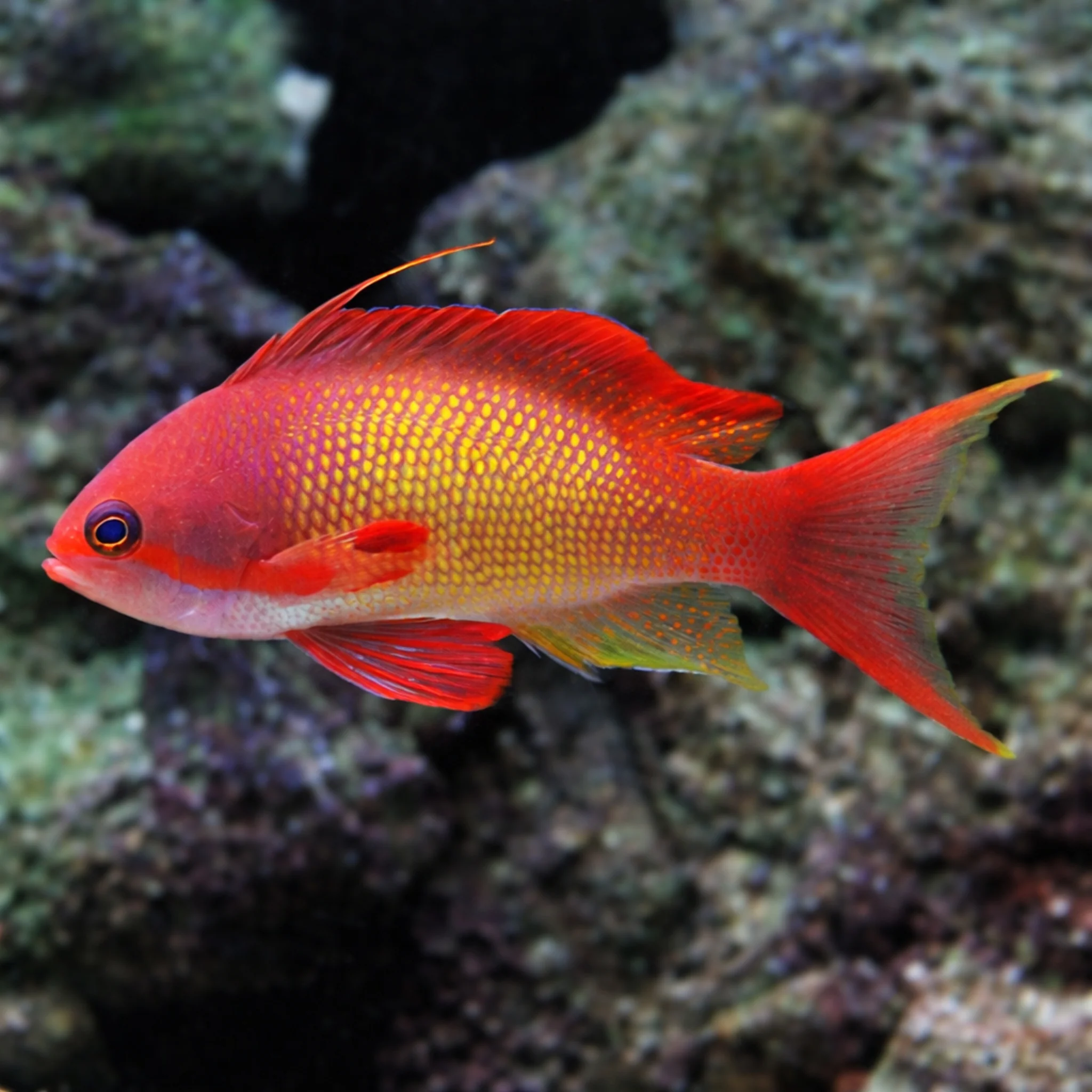
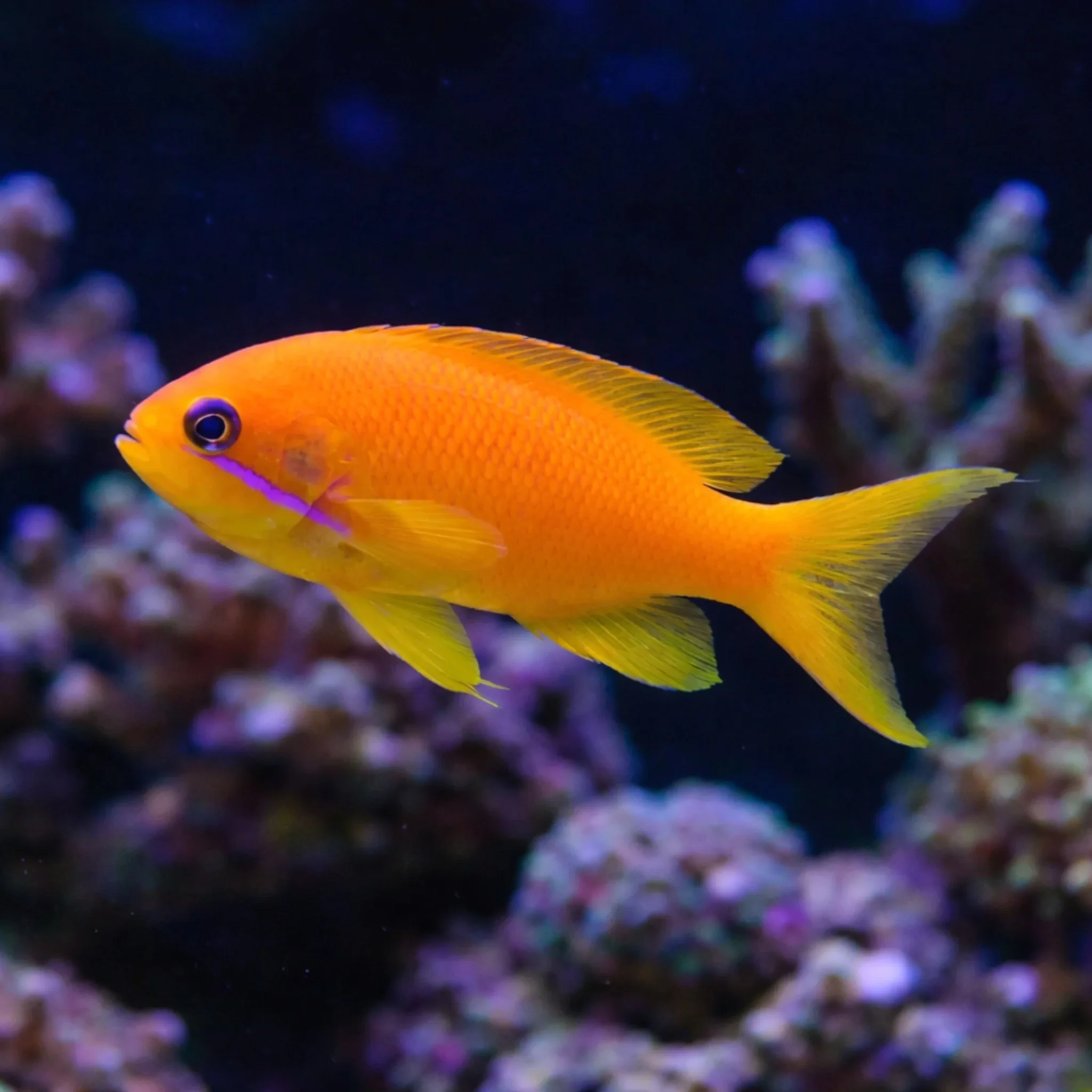
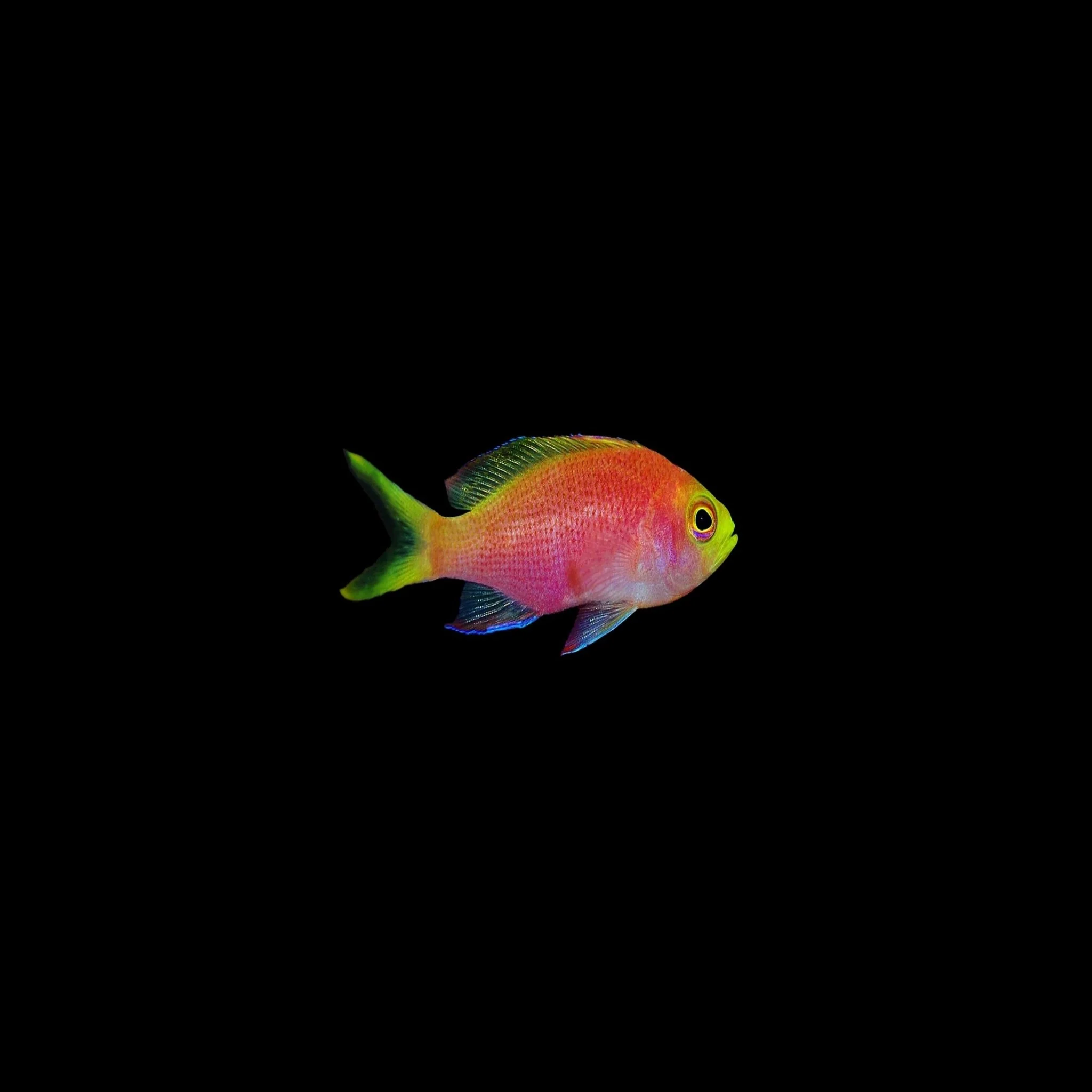
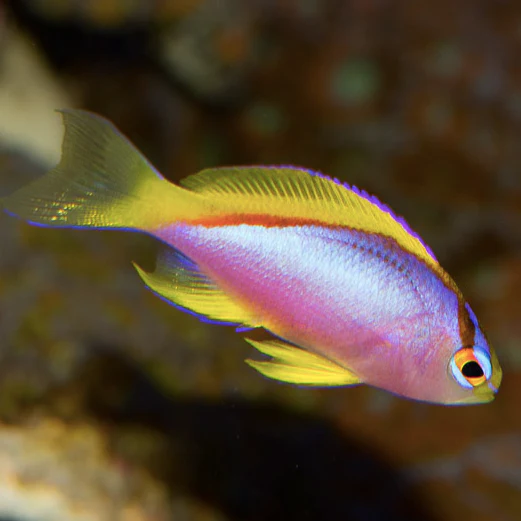
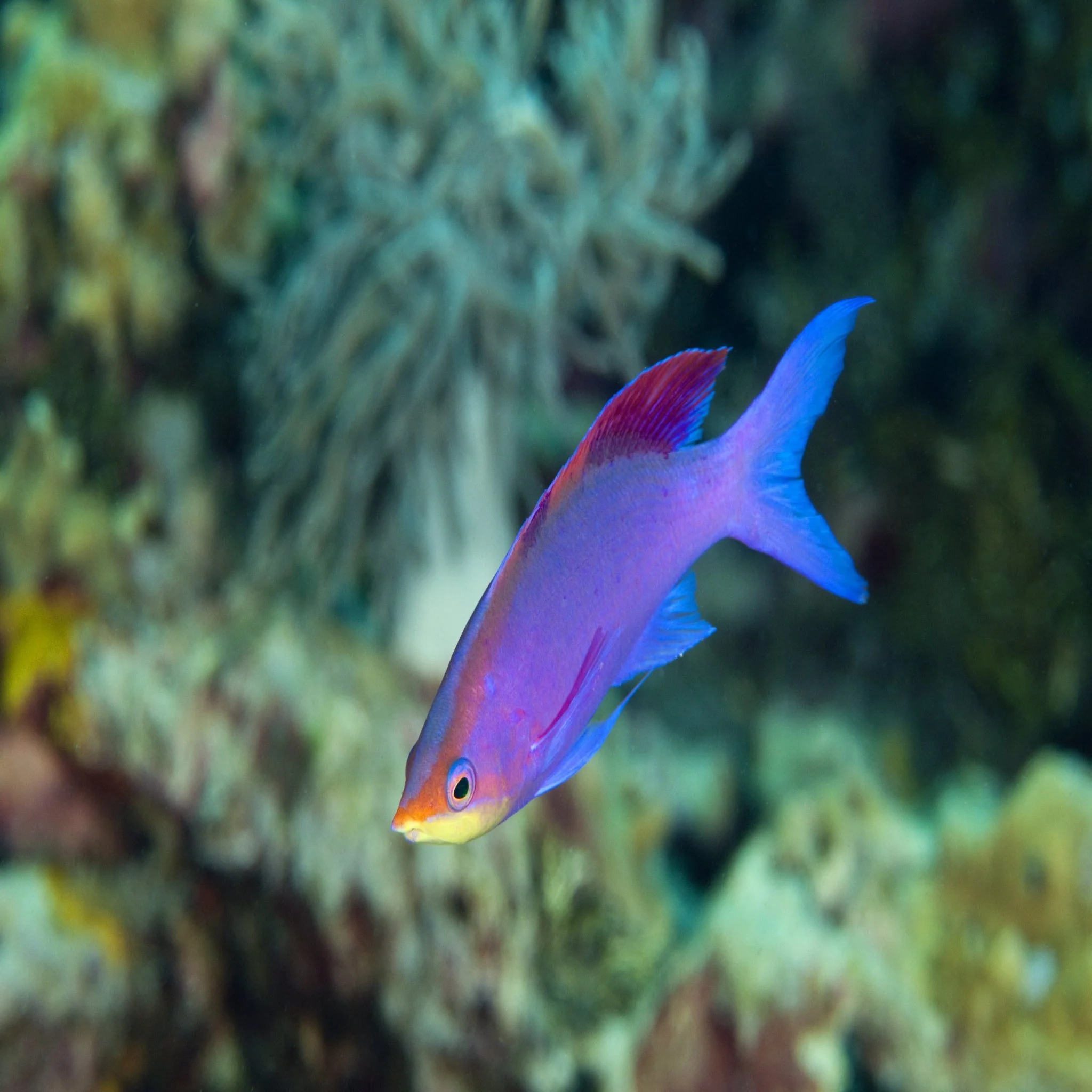
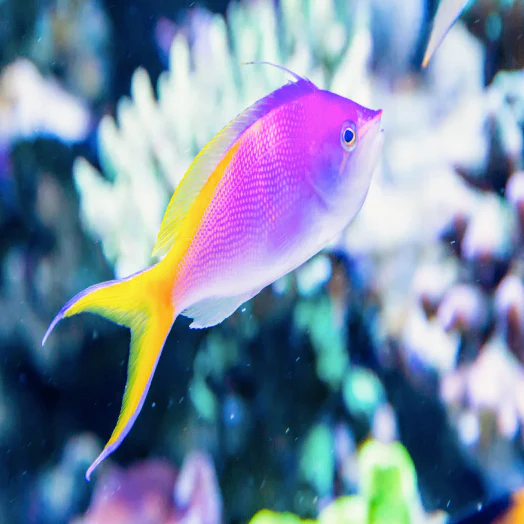
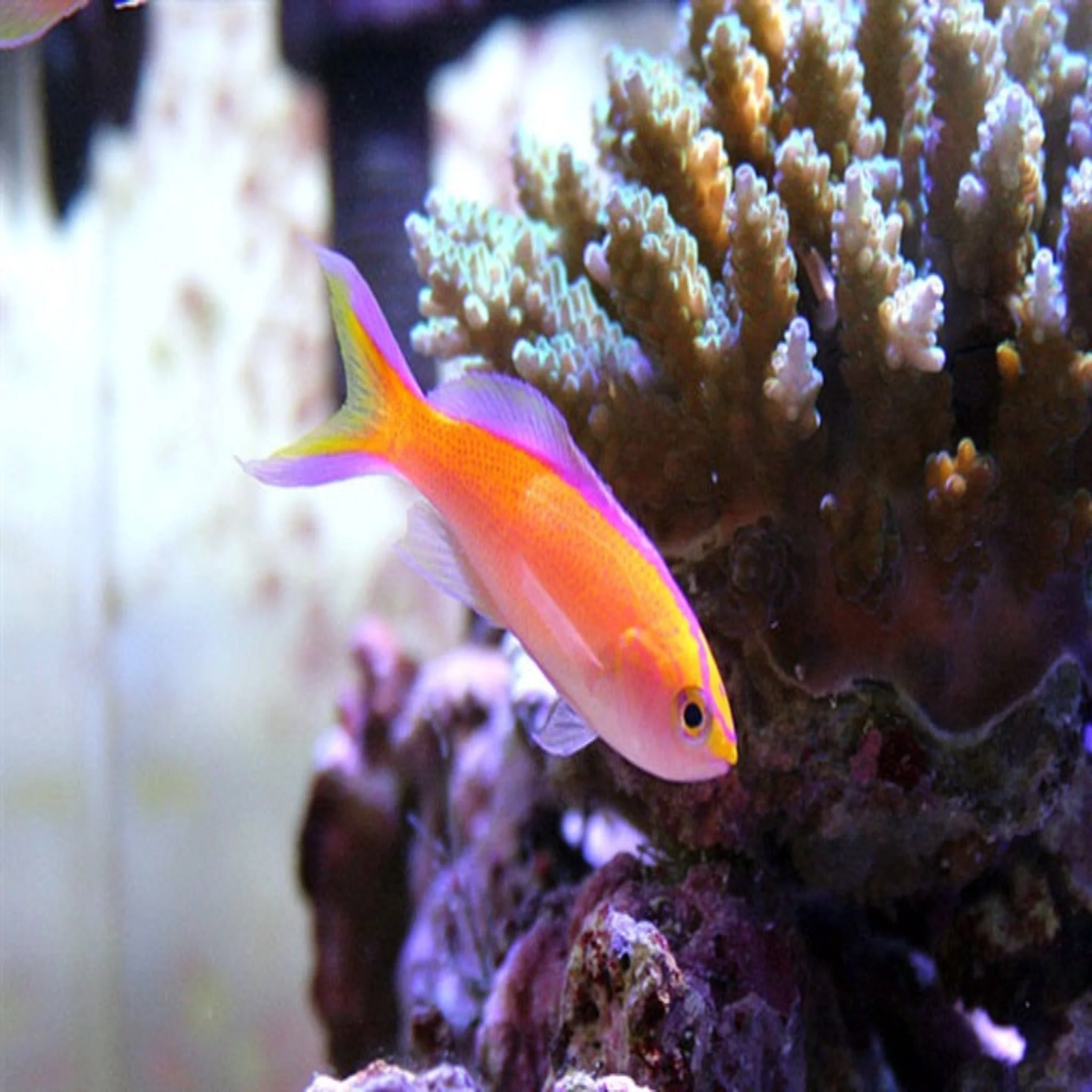
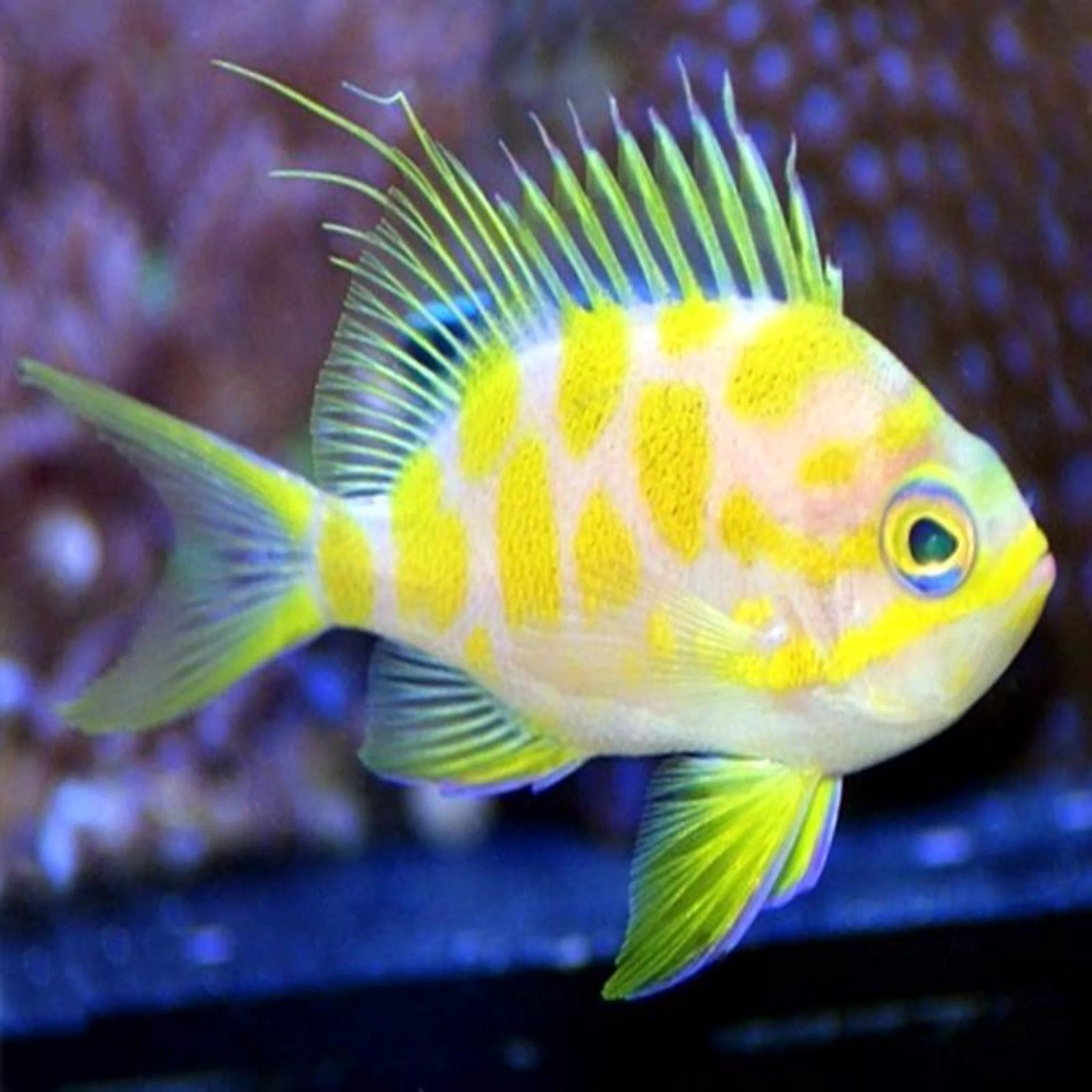
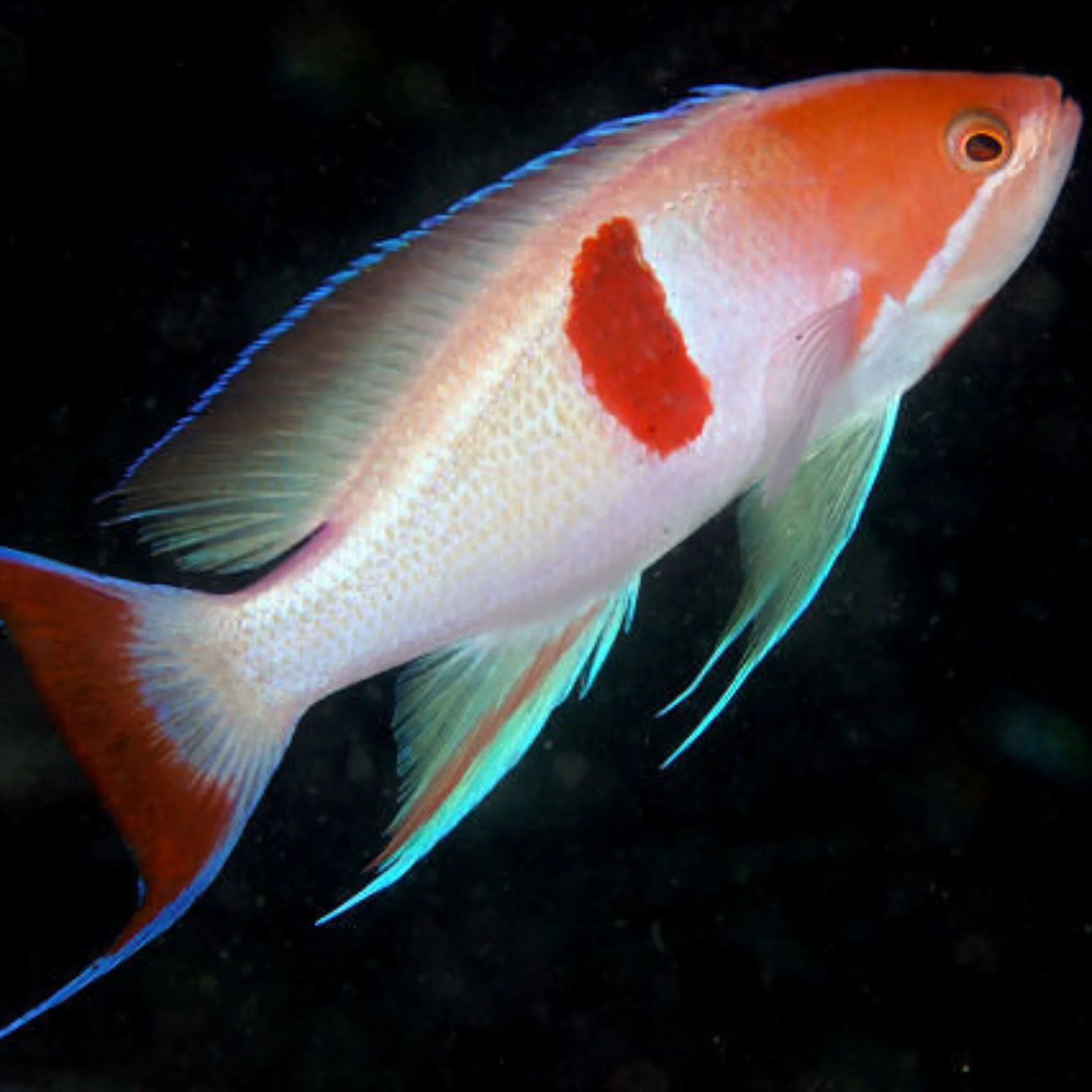
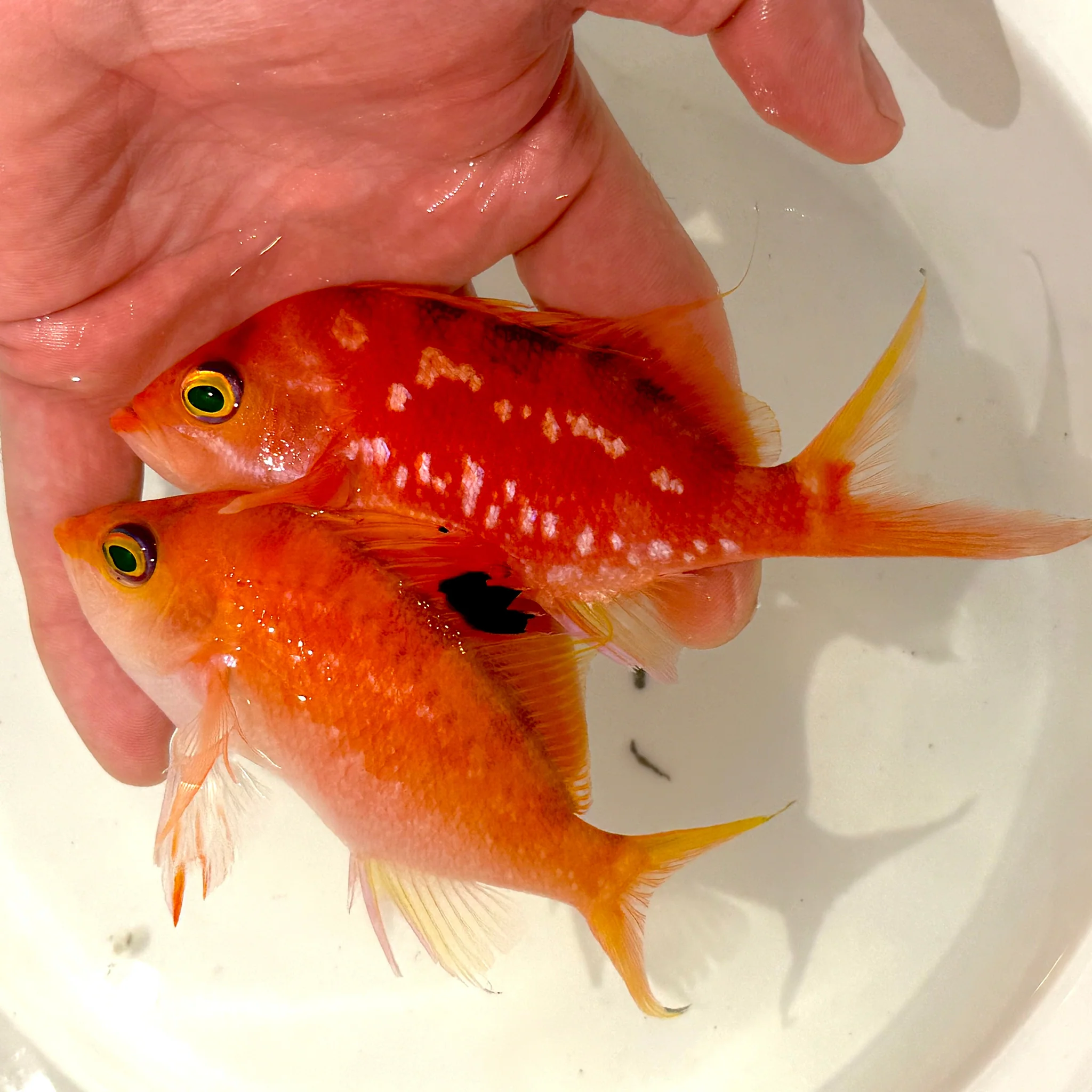
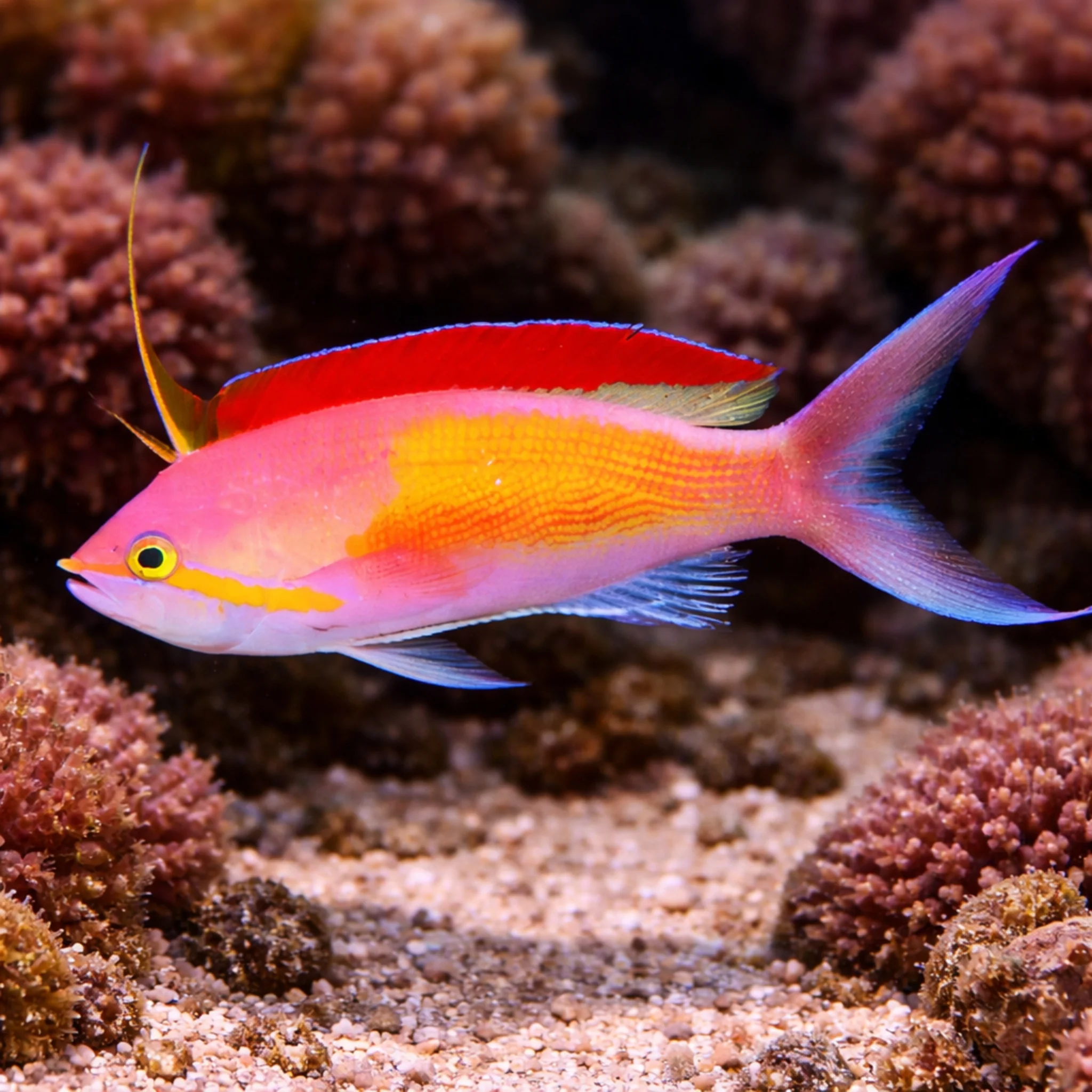
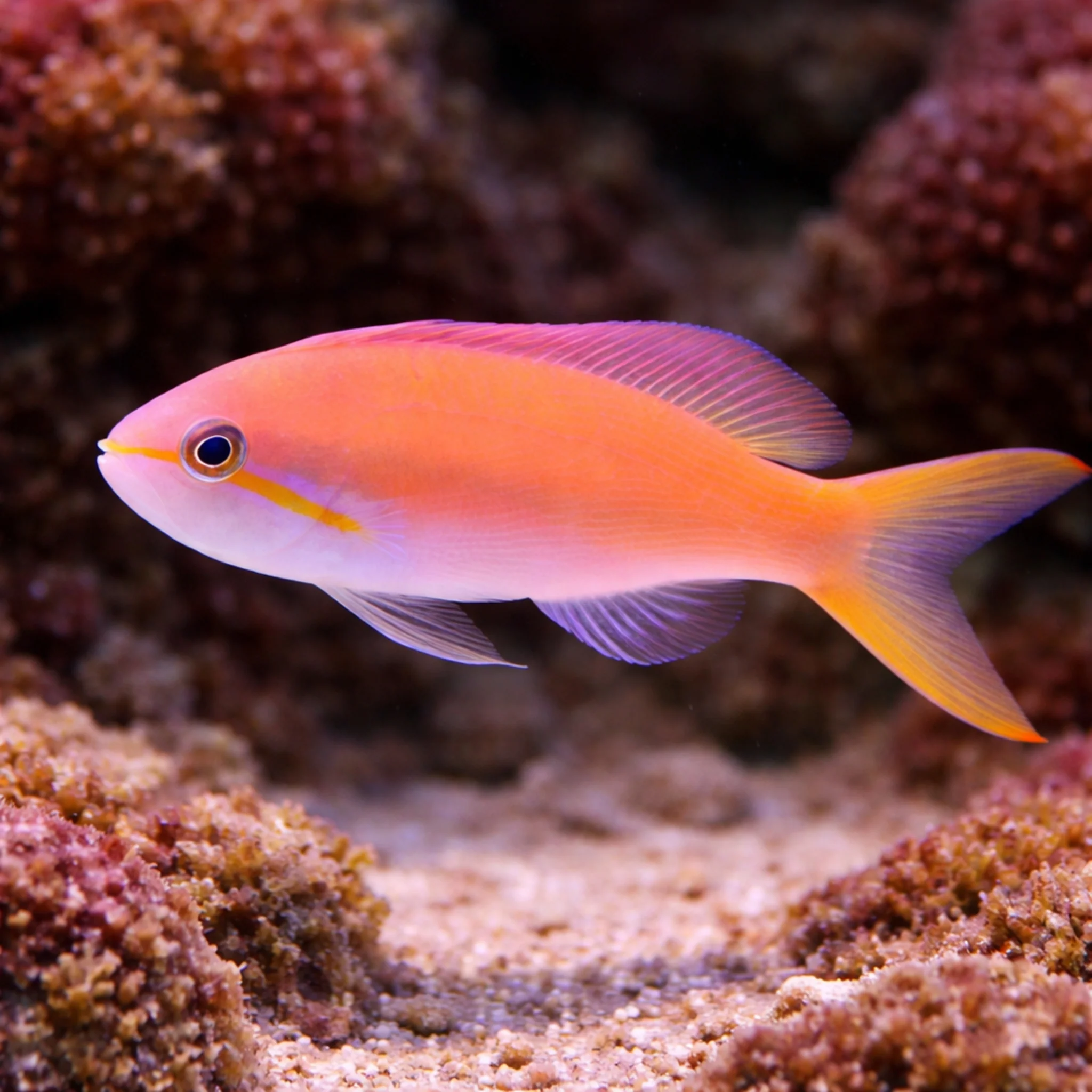
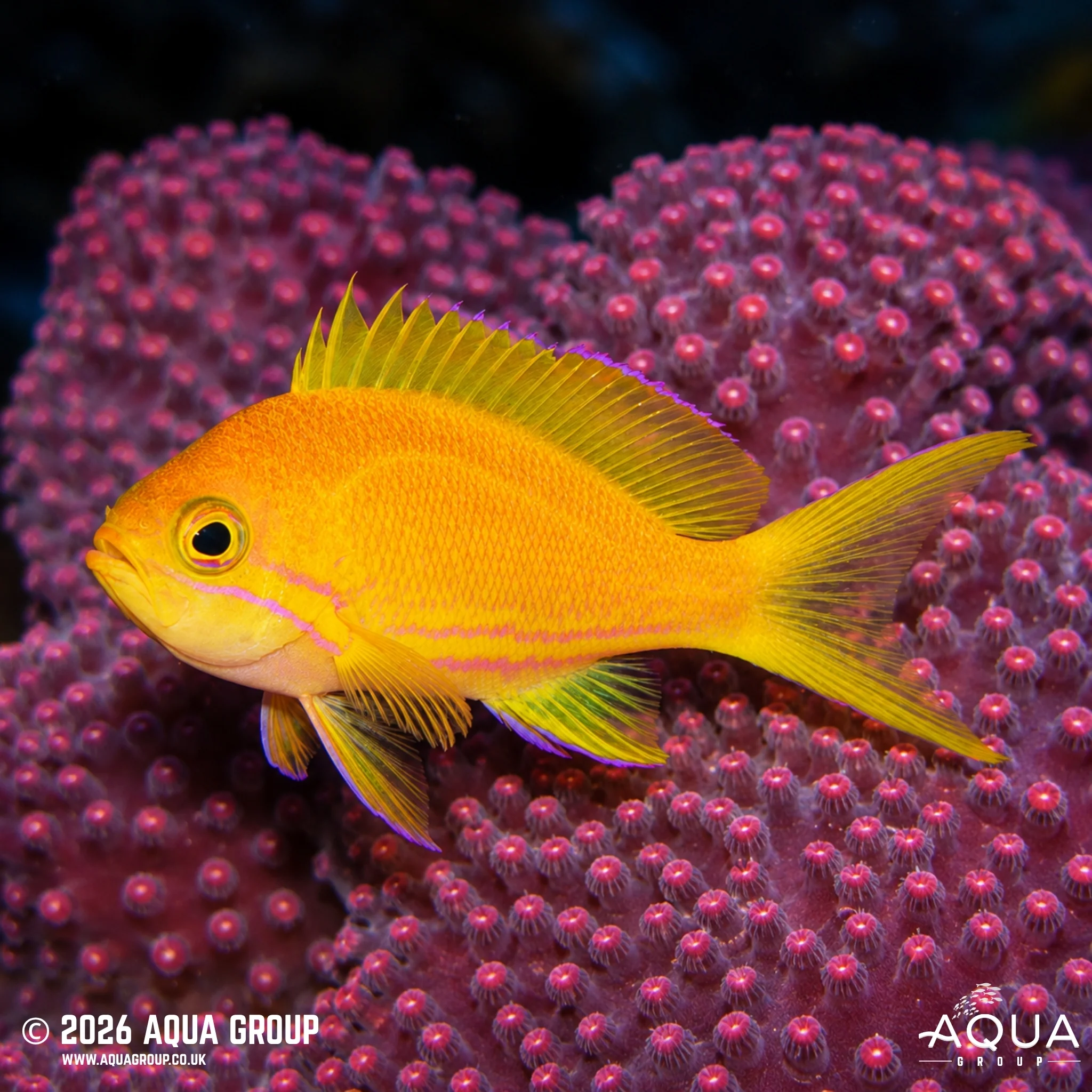
The Square Anthias, Pseudanthias pleurotaenia, is a large, spectacular reef anthias known for its vivid pink, orange and magenta tones. Mature males often develop the famous square or rectangular violet flank patch that gives this species its common name, while females are usually softer pink to orange with more subtle markings. Also known as the Squarespot Anthias, Squareback Anthias, Pink Square Anthias or Mirror Basslet, this Pacific reef fish is a beautiful open-water swimmer for larger, mature marine aquariums. It is peaceful with most reef fish, but needs space, frequent feeding and excellent water quality.
Common Name:
Square Anthias, Squarespot Anthias, Squareback Anthias, Pink Square Anthias, Square-spot Fairy Basslet, Mirror Basslet.
Scientific Name (Latin):
Pseudanthias pleurotaenia
Maximum Size:
Up to around 20 cm. Aquarium specimens should be planned for as one of the larger anthias species.
Water Type:
Marine
Origin / Natural Habitat:
Pacific Ocean, from Indonesia to Samoa, north to the Ryukyu Islands and south to New Caledonia, with records from Rowley Shoals and Christmas Island. Naturally found around reef slopes, outer reefs, drop-offs and areas with branching hard corals, often in deeper or current-swept reef habitats where groups feed on passing plankton above the reef.
Water Parameters:
Temperature: 24–27°C
pH Range: 8.1–8.4
Hardness or Salinity: SG 1.020–1.025
Temperament:
Generally peaceful, but active and socially structured. Males can become dominant towards other anthias, especially other males or similar species. It is best kept with peaceful to moderately robust marine fish that will not bully it or prevent it from feeding.
Diet:
Planktivorous carnivore. In the wild, it feeds in the water column on zooplankton and small drifting prey. In the aquarium, offer frequent small feeds of frozen mysis, enriched brineshrimp, copepods, cyclops, finely chopped krill, calanus, quality marine pellets and other small meaty foods. Anthias have high metabolisms and do best with multiple feeds per day rather than one large meal.
Minimum Tank Size:
A minimum of 400 litres is recommended for a single specimen, with larger aquariums preferred for groups. For a harem-style group, provide a spacious aquarium with strong filtration, high oxygenation and plenty of swimming room.
Behaviour & Activity:
An active mid-water swimmer that spends much of the day hovering and moving above the reef structure, especially in areas with good flow. In nature it forms groups, usually with a small number of males and multiple females or juveniles. In aquariums, keep only one male unless the system is very large, and provide rockwork, caves and overhangs so subordinate fish can retreat. It is diurnal, energetic and best displayed in a mature reef with open water space.
Reef Safe:
Reef Safe
Safe with corals and most ornamental invertebrates. It does not nip corals and is well suited to reef aquariums with suitable tank mates. Very small planktonic crustaceans may be eaten, but it is generally compatible with snails, hermit crabs, cleaner shrimps and typical reef invertebrates.
Special Requirements or Care Notes:
Requires frequent feeding, strong filtration and stable, oxygen-rich water. This is not a small nano-reef anthias; adult size, activity level and feeding demand mean it needs a large, mature aquarium. Avoid keeping multiple males together in ordinary home aquariums. Introduce groups carefully, ideally with one male and several females where space allows. Provide a secure lid, as startled anthias may jump, and avoid aggressive tank mates that may cause hiding or missed feeds.
Suitable for:
Intermediate fishkeepers
Availability:
Occasional in trade
All images are a visual representation of the fish you will receive, made to be as accurate as possible. Please note that Mother Nature is a wonderful thing, and variation in patterns and colours will occur — that is part of the unique beauty of these animals.
Original: $67.27
-65%$67.27
$23.54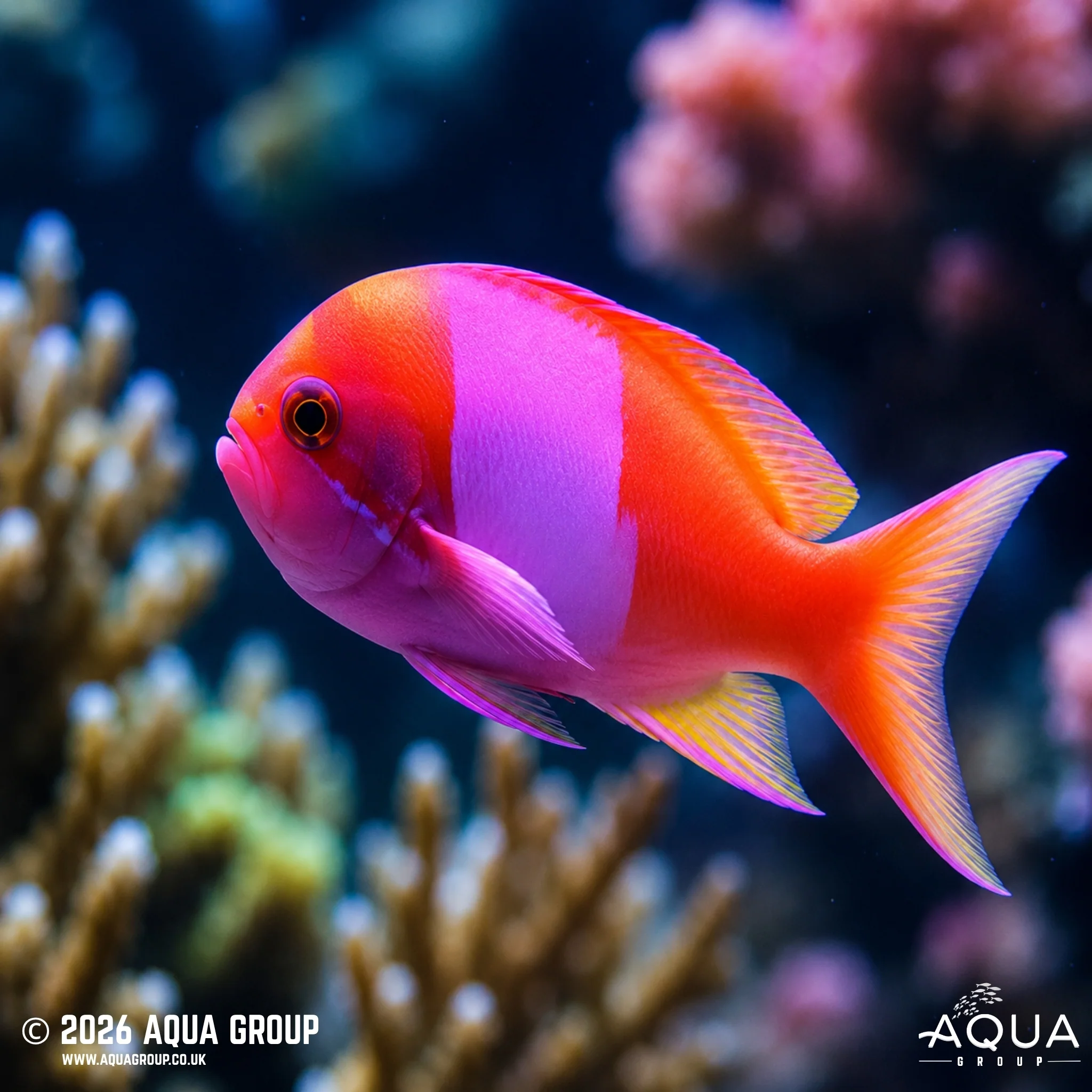
Description
Square Anthias (Pseudanthias pleurotaenia)
The Square Anthias, Pseudanthias pleurotaenia, is a large, spectacular reef anthias known for its vivid pink, orange and magenta tones. Mature males often develop the famous square or rectangular violet flank patch that gives this species its common name, while females are usually softer pink to orange with more subtle markings. Also known as the Squarespot Anthias, Squareback Anthias, Pink Square Anthias or Mirror Basslet, this Pacific reef fish is a beautiful open-water swimmer for larger, mature marine aquariums. It is peaceful with most reef fish, but needs space, frequent feeding and excellent water quality.
Common Name:
Square Anthias, Squarespot Anthias, Squareback Anthias, Pink Square Anthias, Square-spot Fairy Basslet, Mirror Basslet.
Scientific Name (Latin):
Pseudanthias pleurotaenia
Maximum Size:
Up to around 20 cm. Aquarium specimens should be planned for as one of the larger anthias species.
Water Type:
Marine
Origin / Natural Habitat:
Pacific Ocean, from Indonesia to Samoa, north to the Ryukyu Islands and south to New Caledonia, with records from Rowley Shoals and Christmas Island. Naturally found around reef slopes, outer reefs, drop-offs and areas with branching hard corals, often in deeper or current-swept reef habitats where groups feed on passing plankton above the reef.
Water Parameters:
Temperature: 24–27°C
pH Range: 8.1–8.4
Hardness or Salinity: SG 1.020–1.025
Temperament:
Generally peaceful, but active and socially structured. Males can become dominant towards other anthias, especially other males or similar species. It is best kept with peaceful to moderately robust marine fish that will not bully it or prevent it from feeding.
Diet:
Planktivorous carnivore. In the wild, it feeds in the water column on zooplankton and small drifting prey. In the aquarium, offer frequent small feeds of frozen mysis, enriched brineshrimp, copepods, cyclops, finely chopped krill, calanus, quality marine pellets and other small meaty foods. Anthias have high metabolisms and do best with multiple feeds per day rather than one large meal.
Minimum Tank Size:
A minimum of 400 litres is recommended for a single specimen, with larger aquariums preferred for groups. For a harem-style group, provide a spacious aquarium with strong filtration, high oxygenation and plenty of swimming room.
Behaviour & Activity:
An active mid-water swimmer that spends much of the day hovering and moving above the reef structure, especially in areas with good flow. In nature it forms groups, usually with a small number of males and multiple females or juveniles. In aquariums, keep only one male unless the system is very large, and provide rockwork, caves and overhangs so subordinate fish can retreat. It is diurnal, energetic and best displayed in a mature reef with open water space.
Reef Safe:
Reef Safe
Safe with corals and most ornamental invertebrates. It does not nip corals and is well suited to reef aquariums with suitable tank mates. Very small planktonic crustaceans may be eaten, but it is generally compatible with snails, hermit crabs, cleaner shrimps and typical reef invertebrates.
Special Requirements or Care Notes:
Requires frequent feeding, strong filtration and stable, oxygen-rich water. This is not a small nano-reef anthias; adult size, activity level and feeding demand mean it needs a large, mature aquarium. Avoid keeping multiple males together in ordinary home aquariums. Introduce groups carefully, ideally with one male and several females where space allows. Provide a secure lid, as startled anthias may jump, and avoid aggressive tank mates that may cause hiding or missed feeds.
Suitable for:
Intermediate fishkeepers
Availability:
Occasional in trade
All images are a visual representation of the fish you will receive, made to be as accurate as possible. Please note that Mother Nature is a wonderful thing, and variation in patterns and colours will occur — that is part of the unique beauty of these animals.