Maroon Clownfish - Amphiprion biaculeatus
Maroon Clownfish (Amphiprion biaculeatus)
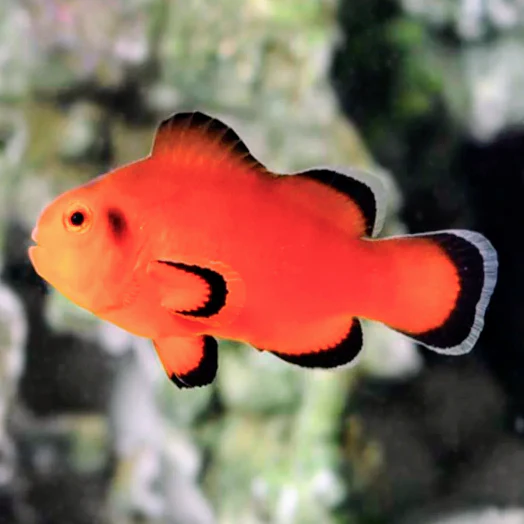
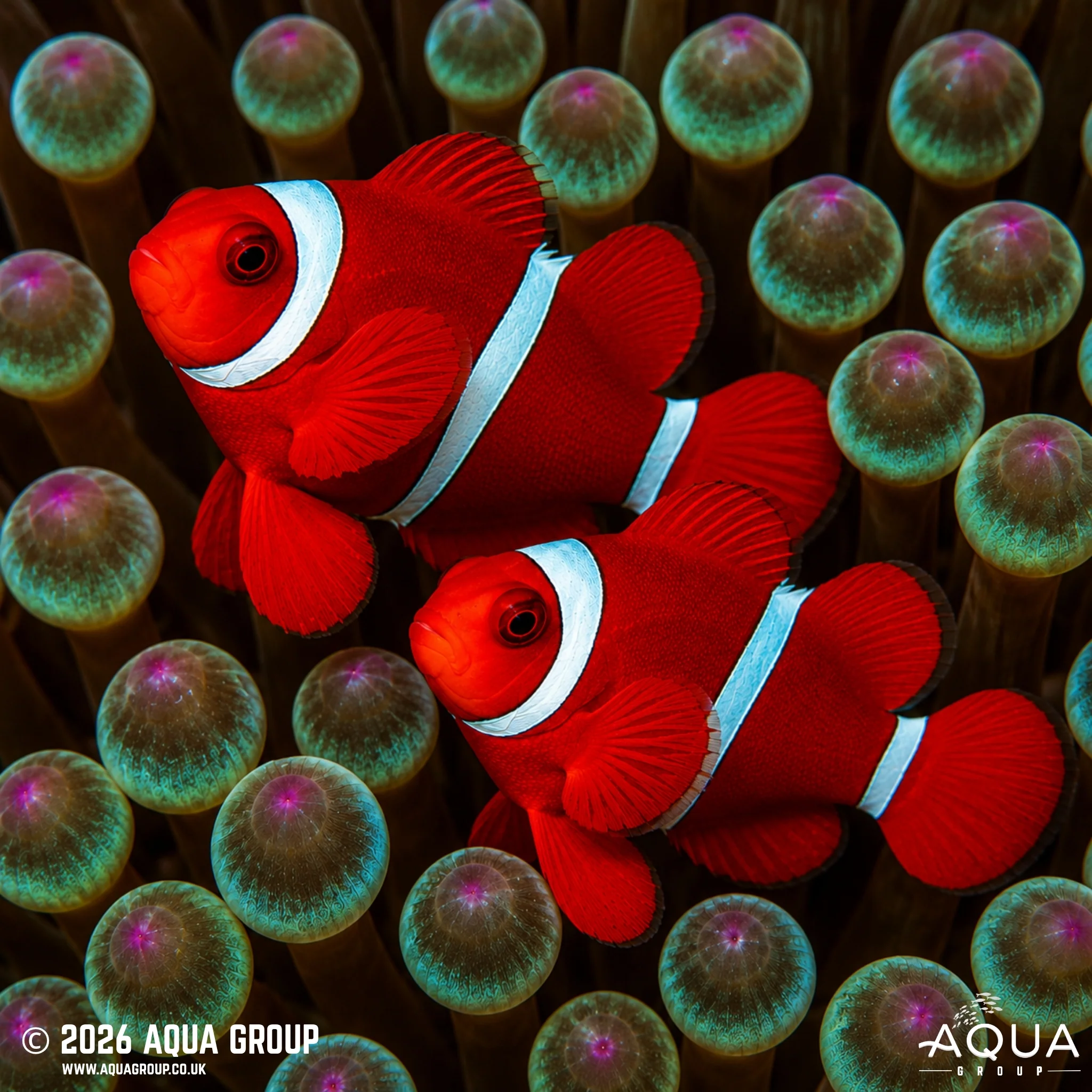
The Maroon Clownfish, Amphiprion biaculeatus, is a bold, eye-catching marine clownfish with deep maroon to red colouration, bright body bars and the distinctive cheek spines that give it the alternative name Spine-cheeked Anemonefish. Formerly placed in the genus Premnas, this Indo-West Pacific species is one of the largest and most territorial clownfish available in the aquarium trade. It makes a striking centrepiece for a mature reef or fish-only marine aquarium, but should be chosen with care because adult females can become highly assertive once settled.
Common Name:
Maroon Clownfish, Maroon Clown, Spine-cheeked Anemonefish, Maroon Anemonefish, Spinecheek Clownfish. Former trade name: Premnas biaculeatus.
Scientific Name (Latin):
Amphiprion biaculeatus
Formerly known as Premnas biaculeatus.
Maximum Size:
Up to around 16–17 cm, with females growing much larger than males.
Water Type:
Marine
Origin / Natural Habitat:
Indo-West Pacific, including parts of the Indo-Australian Archipelago, India, Myanmar, Thailand, Malaysia, Indonesia, the Philippines, New Guinea, New Britain, the Solomon Islands, Vanuatu and northern Australia. Naturally found on lagoon and seaward reefs, particularly in protected coastal waters and lagoons, where it lives closely with host sea anemones and defends a defined territory.
Water Parameters:
Temperature: 24–27°C
pH Range: 8.1–8.4
Hardness or Salinity: SG 1.020–1.025
Temperament:
Territorial and assertive. The Maroon Clownfish is one of the more aggressive clownfish species, especially as it matures or if it adopts a host anemone, coral or rockwork territory. It is best kept singly, as an established pair, or with robust, confident marine tank mates in a suitably sized aquarium.
Diet:
Omnivorous. In the wild, it feeds mainly on zooplankton and benthic algae. In the aquarium, offer a varied diet of quality marine pellets, flakes, frozen mysis, enriched brineshrimp, chopped krill, finely chopped seafood and occasional algae or spirulina-based foods. Feed small, regular portions and ensure it does not dominate feeding to the point of stressing quieter tank mates.
Minimum Tank Size:
A minimum of 150 litres is recommended for a single Maroon Clownfish, with 250 litres or more preferred for a pair or a mixed community setup. Larger aquariums make it easier to manage territorial behaviour.
Behaviour & Activity:
A confident, site-attached clownfish that usually spends much of its time around a chosen cave, rock structure, coral substitute or host anemone. Once settled, it may vigorously defend its territory from other fish and may even bite during aquarium maintenance. Like other clownfish, it forms a size-based hierarchy, with females becoming larger and dominant. It does not need an anemone to thrive, but may accept a suitable host if one is present.
Reef Safe:
Reef Safe
Generally safe with corals and most ornamental invertebrates, as it is not a coral predator. The caution is due to behaviour: a territorial Maroon Clownfish may harass peaceful fish, move sand around its chosen area, bite during maintenance or irritate corals if it adopts them as a host. It should be housed with care in peaceful reef communities.
Special Requirements or Care Notes:
Avoid keeping with other clownfish species in most aquariums, as aggression can be severe. If keeping a pair, it is safest to purchase an established pair or introduce a much smaller juvenile to a larger individual under careful observation. Provide strong rockwork, clear territories and enough space for tank mates to avoid its defended area. Host anemones are optional, but Bubble Tip Anemones and other suitable hosts require strong lighting, excellent water quality and their own specialist care.
Suitable for:
Intermediate fishkeepers
Availability:
Common in trade / Captive-bred where relevant
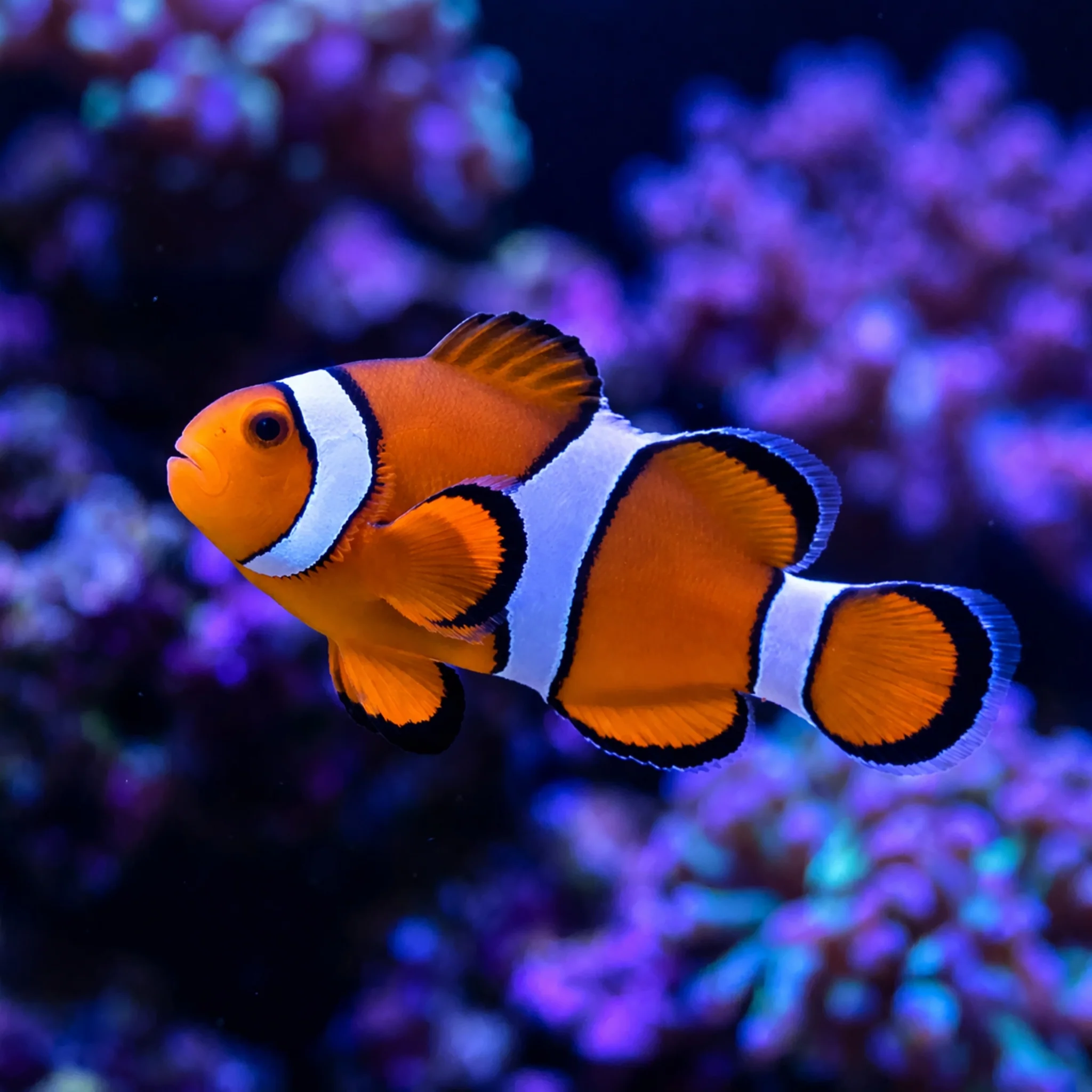
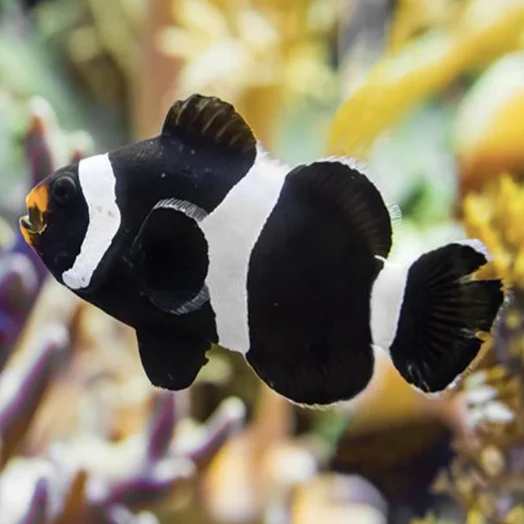
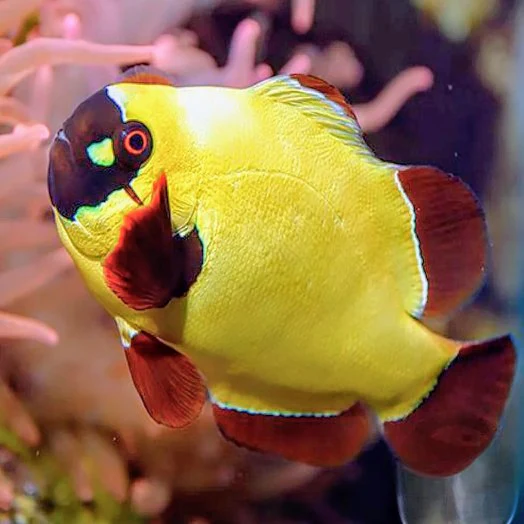
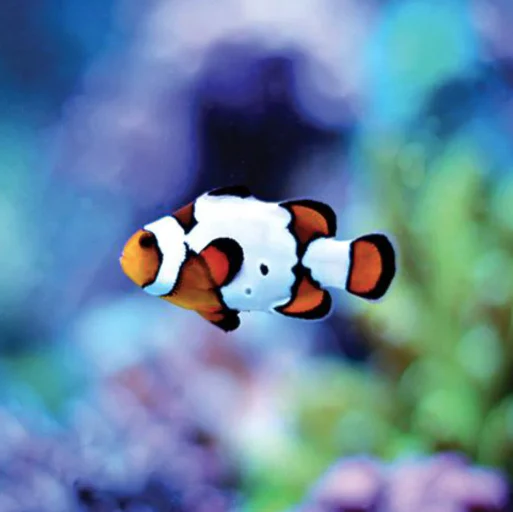
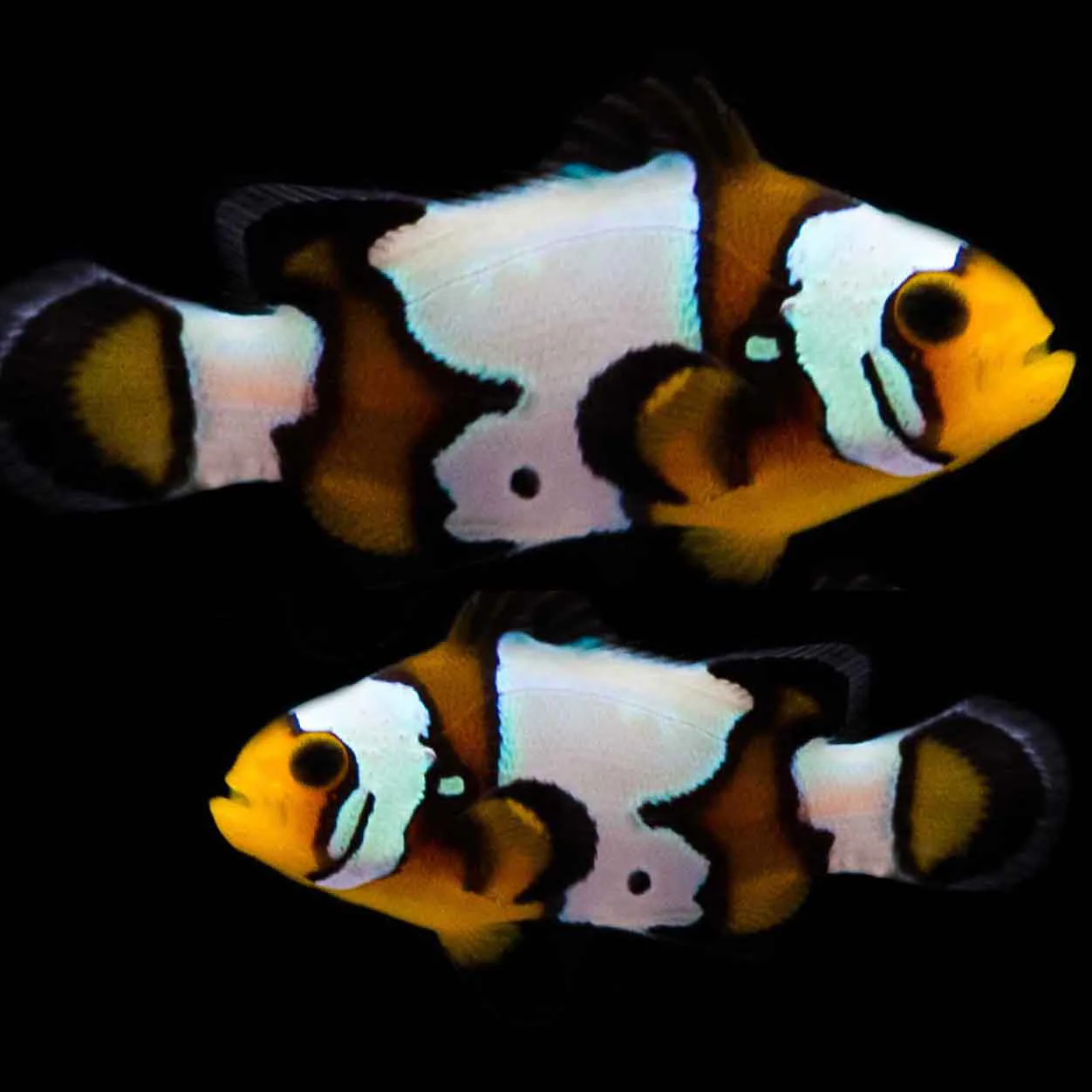
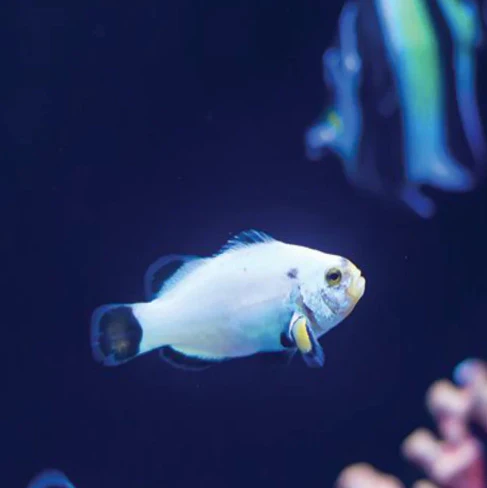
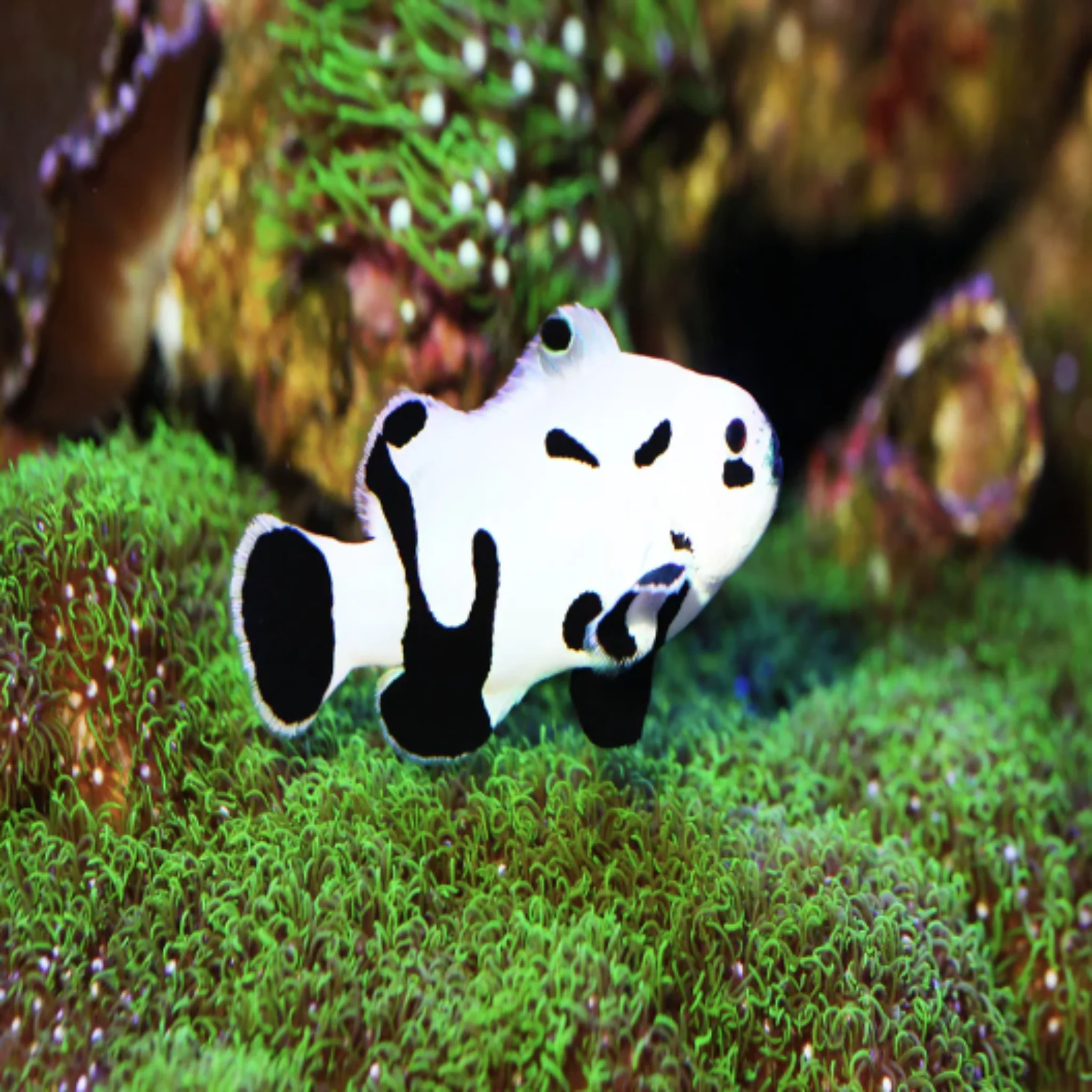
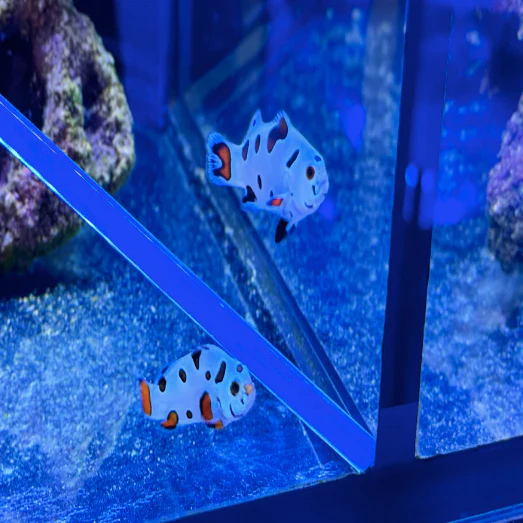
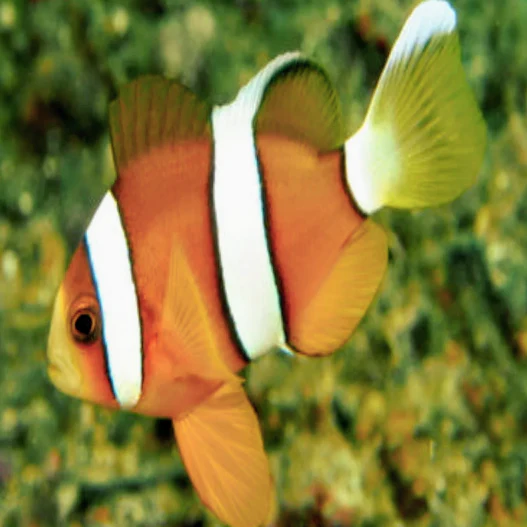
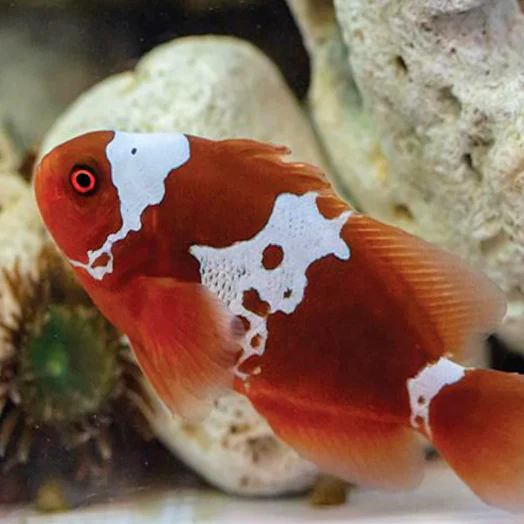
All images are a visual representation of the fish you will receive, made to be as accurate as possible. Please note that Mother Nature is a wonderful thing, and variation in patterns and colours will occur — that is part of the unique beauty of these animals.
Original: $53.81
-65%$53.81
$18.83
Description
Maroon Clownfish (Amphiprion biaculeatus)
The Maroon Clownfish, Amphiprion biaculeatus, is a bold, eye-catching marine clownfish with deep maroon to red colouration, bright body bars and the distinctive cheek spines that give it the alternative name Spine-cheeked Anemonefish. Formerly placed in the genus Premnas, this Indo-West Pacific species is one of the largest and most territorial clownfish available in the aquarium trade. It makes a striking centrepiece for a mature reef or fish-only marine aquarium, but should be chosen with care because adult females can become highly assertive once settled.
Common Name:
Maroon Clownfish, Maroon Clown, Spine-cheeked Anemonefish, Maroon Anemonefish, Spinecheek Clownfish. Former trade name: Premnas biaculeatus.
Scientific Name (Latin):
Amphiprion biaculeatus
Formerly known as Premnas biaculeatus.
Maximum Size:
Up to around 16–17 cm, with females growing much larger than males.
Water Type:
Marine
Origin / Natural Habitat:
Indo-West Pacific, including parts of the Indo-Australian Archipelago, India, Myanmar, Thailand, Malaysia, Indonesia, the Philippines, New Guinea, New Britain, the Solomon Islands, Vanuatu and northern Australia. Naturally found on lagoon and seaward reefs, particularly in protected coastal waters and lagoons, where it lives closely with host sea anemones and defends a defined territory.
Water Parameters:
Temperature: 24–27°C
pH Range: 8.1–8.4
Hardness or Salinity: SG 1.020–1.025
Temperament:
Territorial and assertive. The Maroon Clownfish is one of the more aggressive clownfish species, especially as it matures or if it adopts a host anemone, coral or rockwork territory. It is best kept singly, as an established pair, or with robust, confident marine tank mates in a suitably sized aquarium.
Diet:
Omnivorous. In the wild, it feeds mainly on zooplankton and benthic algae. In the aquarium, offer a varied diet of quality marine pellets, flakes, frozen mysis, enriched brineshrimp, chopped krill, finely chopped seafood and occasional algae or spirulina-based foods. Feed small, regular portions and ensure it does not dominate feeding to the point of stressing quieter tank mates.
Minimum Tank Size:
A minimum of 150 litres is recommended for a single Maroon Clownfish, with 250 litres or more preferred for a pair or a mixed community setup. Larger aquariums make it easier to manage territorial behaviour.
Behaviour & Activity:
A confident, site-attached clownfish that usually spends much of its time around a chosen cave, rock structure, coral substitute or host anemone. Once settled, it may vigorously defend its territory from other fish and may even bite during aquarium maintenance. Like other clownfish, it forms a size-based hierarchy, with females becoming larger and dominant. It does not need an anemone to thrive, but may accept a suitable host if one is present.
Reef Safe:
Reef Safe
Generally safe with corals and most ornamental invertebrates, as it is not a coral predator. The caution is due to behaviour: a territorial Maroon Clownfish may harass peaceful fish, move sand around its chosen area, bite during maintenance or irritate corals if it adopts them as a host. It should be housed with care in peaceful reef communities.
Special Requirements or Care Notes:
Avoid keeping with other clownfish species in most aquariums, as aggression can be severe. If keeping a pair, it is safest to purchase an established pair or introduce a much smaller juvenile to a larger individual under careful observation. Provide strong rockwork, clear territories and enough space for tank mates to avoid its defended area. Host anemones are optional, but Bubble Tip Anemones and other suitable hosts require strong lighting, excellent water quality and their own specialist care.
Suitable for:
Intermediate fishkeepers
Availability:
Common in trade / Captive-bred where relevant
All images are a visual representation of the fish you will receive, made to be as accurate as possible. Please note that Mother Nature is a wonderful thing, and variation in patterns and colours will occur — that is part of the unique beauty of these animals.