Harlequin Shrimp - Hymenocera picta
Harlequin Shrimp (Hymenocera picta)
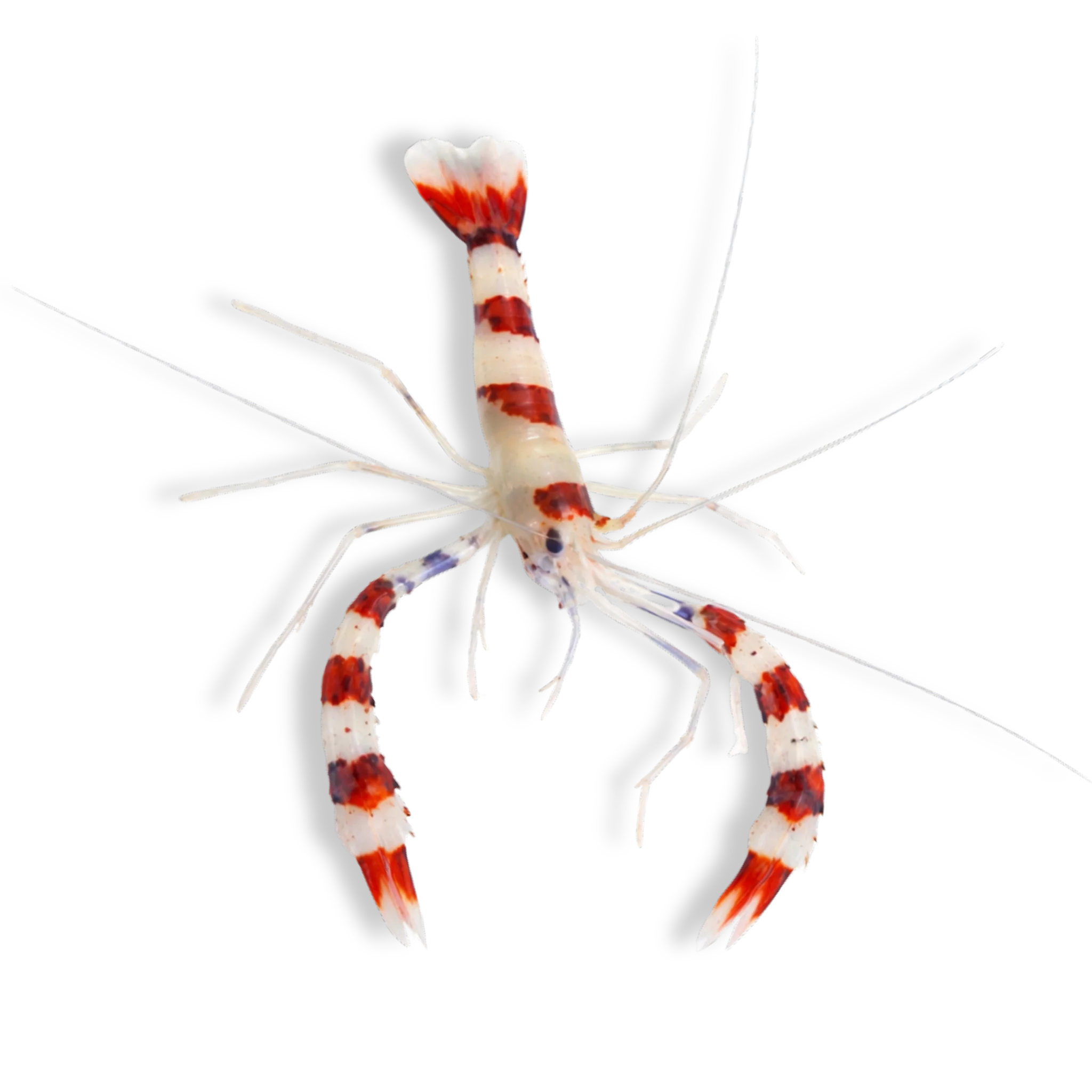
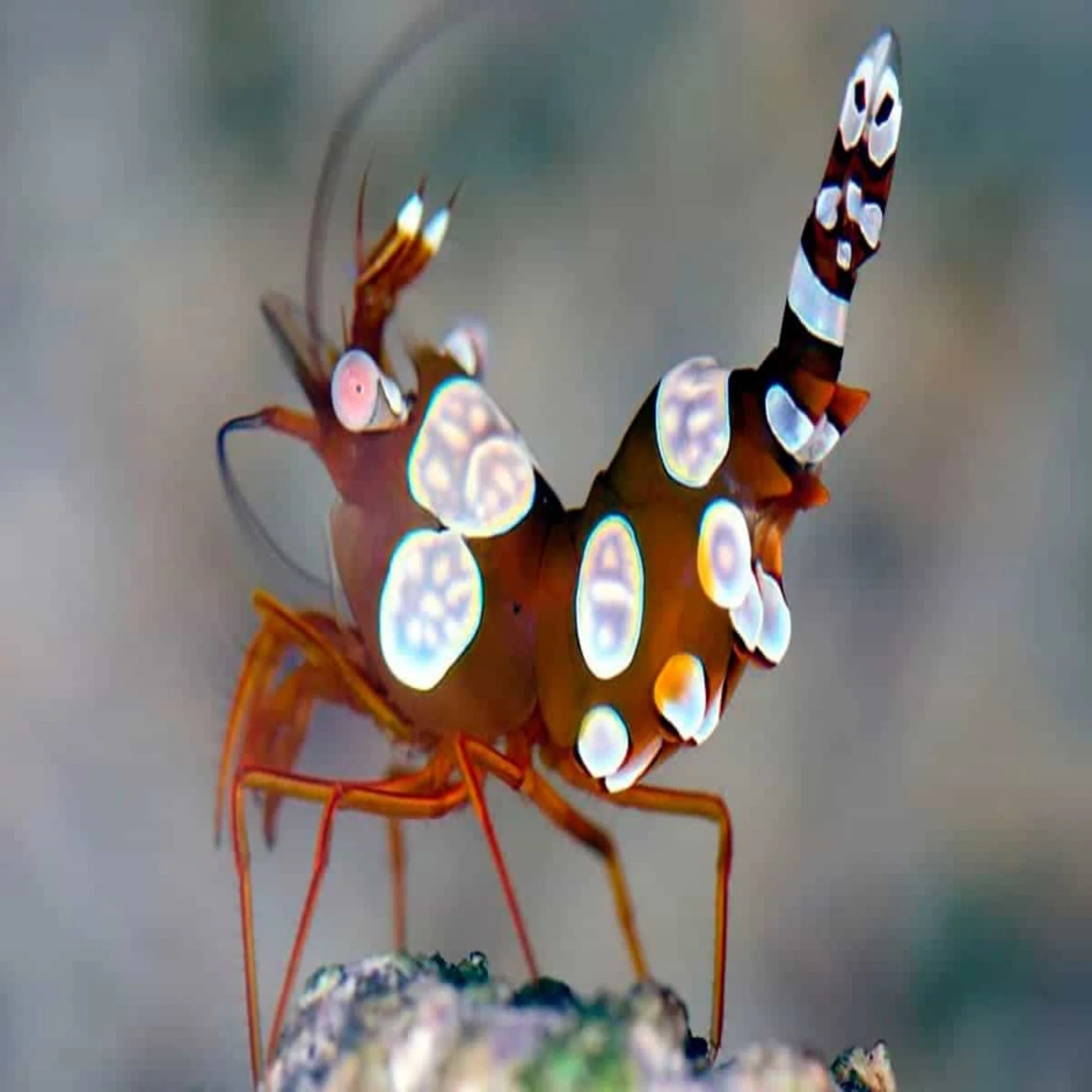
The Harlequin Shrimp, Hymenocera picta, is one of the most spectacular ornamental marine shrimps, instantly recognised by its white to cream body, bold purple, pink, blue or reddish markings and flattened paddle-like claws. Also known as the Clown Shrimp, Painted Shrimp or Dancing Shrimp, this Indo-Pacific reef invertebrate is peaceful, fascinating and often kept in pairs. It is reef safe with caution because it does not eat corals, but it is a highly specialised predator that feeds on starfish, including Asterina starfish and other ornamental sea stars.
Common Name:
Harlequin Shrimp, Clown Shrimp, Painted Shrimp, Dancing Shrimp, Harlequin Prawn.
Scientific Name (Latin):
Hymenocera picta
Maximum Size:
Usually around 3–5 cm, with females often larger than males.
Water Type:
Marine
Origin / Natural Habitat:
Tropical Indian and Pacific Oceans, including coral reef regions of the Indo-Pacific and Central Pacific. Naturally found among coral reefs, rocky crevices, sediment areas and reef rubble, where it shelters during the day and searches for starfish prey. Colour and pattern can vary between regional forms, and some sources historically separated Indian Ocean and Pacific forms, but Hymenocera picta is commonly treated as the accepted aquarium-trade name.
Water Parameters:
Temperature: 24–27°C
pH Range: 8.1–8.4
Hardness or Salinity: SG 1.020–1.025
Temperament:
Peaceful towards fish, corals and most non-starfish invertebrates, but predatory towards starfish. It is slow-moving and should not be kept with aggressive fish or invertebrate predators that may harass or eat shrimps. Pairs often work together when hunting and can make an exceptional display in a calm reef aquarium.
Diet:
Specialist starfish predator. Harlequin Shrimp feed almost exclusively on starfish, using their claws to turn prey over and consume the tube feet and soft tissues. In aquariums, they may eat Asterina starfish, but once pest starfish are depleted they must be provided with suitable starfish-based foods to avoid starvation. They will not survive long term on ordinary frozen shrimp foods, pellets or flakes.
Minimum Tank Size:
A minimum of 60 litres is recommended for a single specimen or compatible pair, provided the aquarium is mature and stable. Larger systems are easier to manage because they offer more stable water quality and more natural hiding areas.
Behaviour & Activity:
A slow, deliberate and highly specialised shrimp that spends much of its time walking over rockwork, under ledges and around crevices in search of starfish. It may be shy at first but often becomes more visible once settled, especially in peaceful tanks. Pairs are commonly seen together and may cooperate when handling starfish prey. It prefers secure caves, overhangs and low-stress areas rather than open, exposed aquascapes.
Reef Safe:
Reef Safe with Caution
Safe with corals and most typical reef invertebrates, but not safe with starfish you wish to keep. It will eat Asterina starfish, Fromia, Linckia, sand-sifting starfish and other suitable sea stars if accessible. It should not be kept with decorative starfish unless they are intended as food. It may also be vulnerable to predatory fish, large wrasses, hawkfish, triggers, puffers and aggressive crabs.
Special Requirements or Care Notes:
This is a specialist animal, not a general clean-up crew shrimp. Long-term care requires a reliable, ethical food plan based on starfish, and it should not be bought only for a temporary Asterina problem unless ongoing feeding is arranged. Like other marine invertebrates, it is sensitive to copper, sudden salinity changes and poor acclimation, so slow acclimation and stable reef water quality are important. Avoid copper-based treatments, aggressive tank mates and unstable new aquariums.
Suitable for:
Experienced fishkeepers
Availability:
Occasional in trade
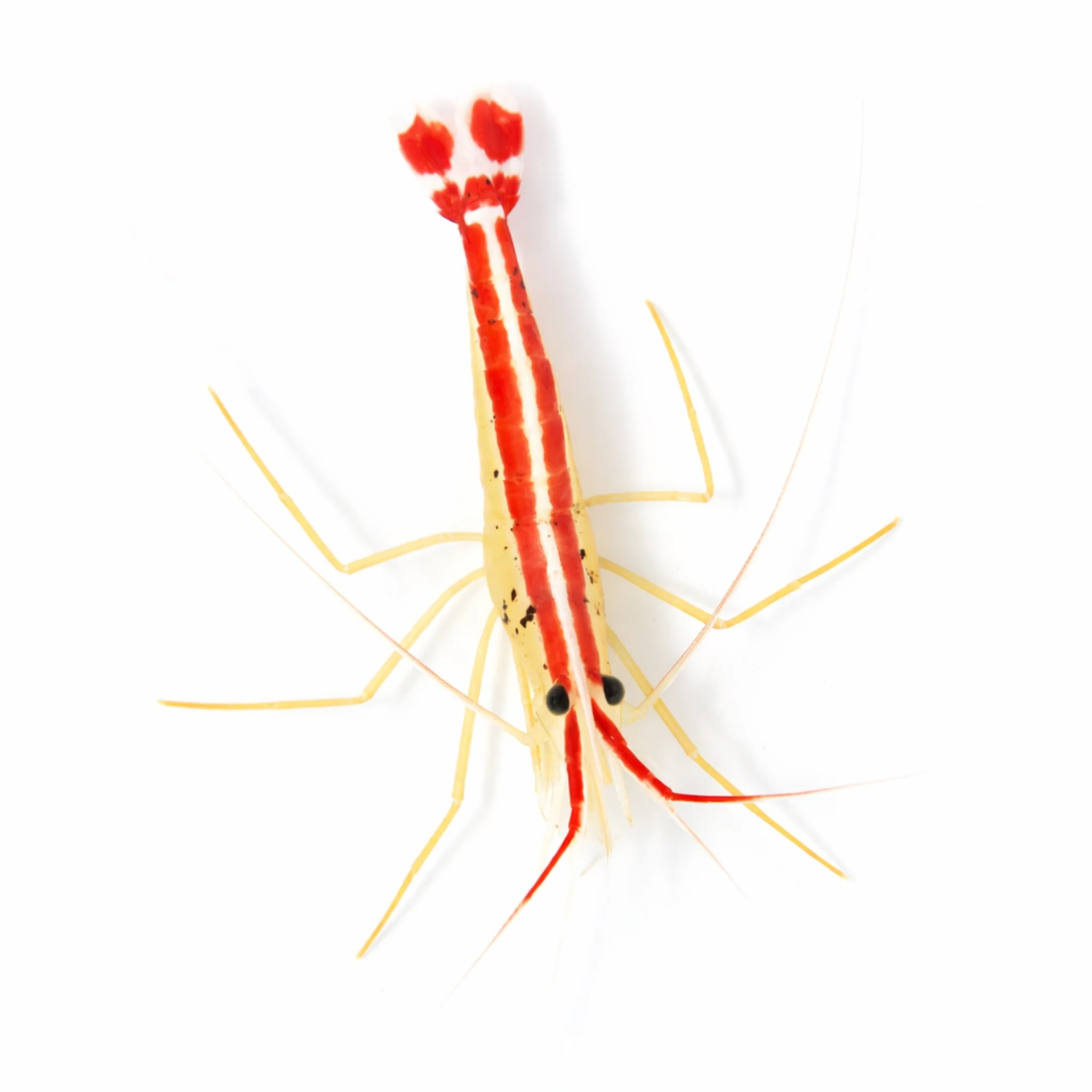
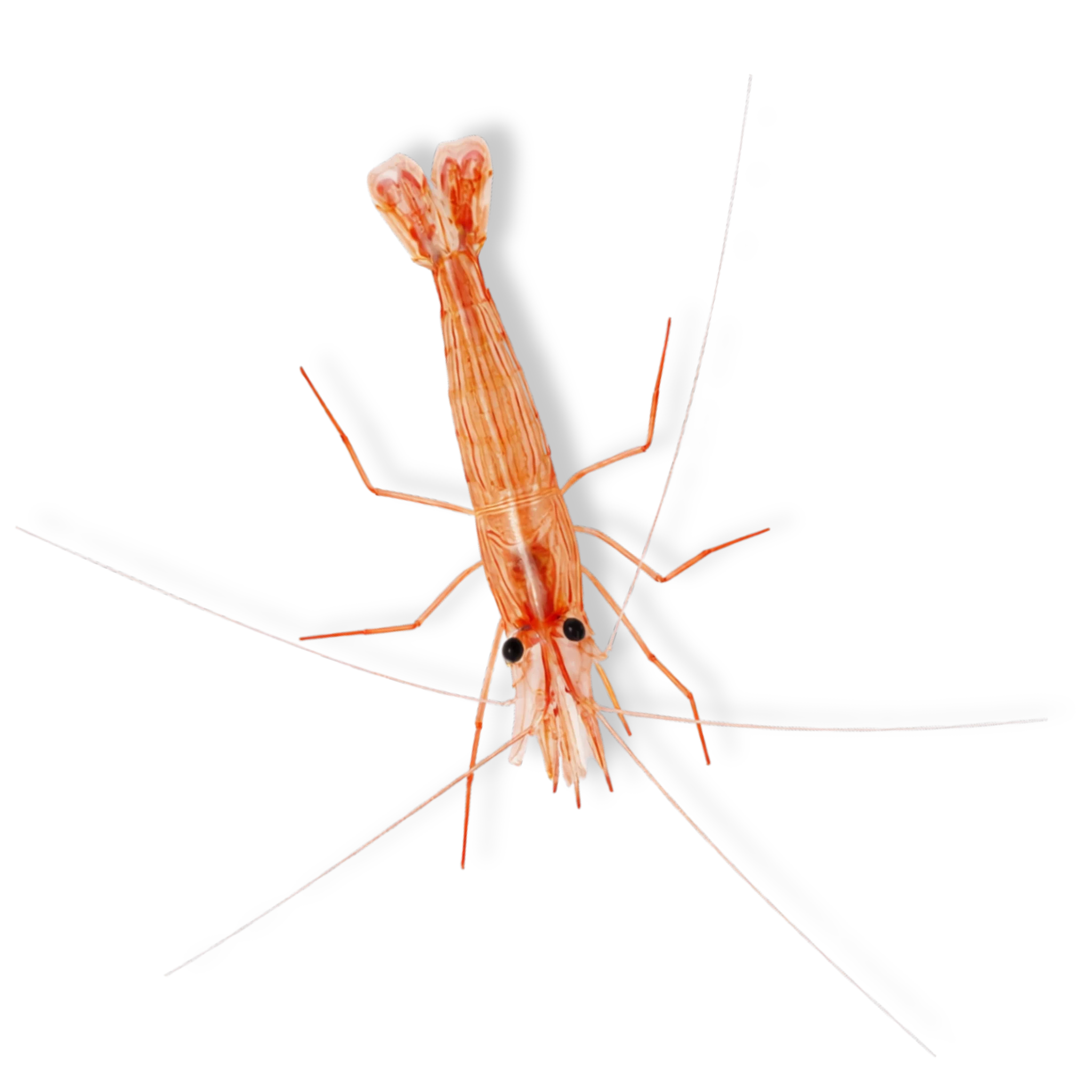
All images are a visual representation of the animal you will receive, made to be as accurate as possible. Please note that Mother Nature is a wonderful thing, and variation in patterns and colours will occur — that is part of the unique beauty of these animals.

Description
Harlequin Shrimp (Hymenocera picta)
The Harlequin Shrimp, Hymenocera picta, is one of the most spectacular ornamental marine shrimps, instantly recognised by its white to cream body, bold purple, pink, blue or reddish markings and flattened paddle-like claws. Also known as the Clown Shrimp, Painted Shrimp or Dancing Shrimp, this Indo-Pacific reef invertebrate is peaceful, fascinating and often kept in pairs. It is reef safe with caution because it does not eat corals, but it is a highly specialised predator that feeds on starfish, including Asterina starfish and other ornamental sea stars.
Common Name:
Harlequin Shrimp, Clown Shrimp, Painted Shrimp, Dancing Shrimp, Harlequin Prawn.
Scientific Name (Latin):
Hymenocera picta
Maximum Size:
Usually around 3–5 cm, with females often larger than males.
Water Type:
Marine
Origin / Natural Habitat:
Tropical Indian and Pacific Oceans, including coral reef regions of the Indo-Pacific and Central Pacific. Naturally found among coral reefs, rocky crevices, sediment areas and reef rubble, where it shelters during the day and searches for starfish prey. Colour and pattern can vary between regional forms, and some sources historically separated Indian Ocean and Pacific forms, but Hymenocera picta is commonly treated as the accepted aquarium-trade name.
Water Parameters:
Temperature: 24–27°C
pH Range: 8.1–8.4
Hardness or Salinity: SG 1.020–1.025
Temperament:
Peaceful towards fish, corals and most non-starfish invertebrates, but predatory towards starfish. It is slow-moving and should not be kept with aggressive fish or invertebrate predators that may harass or eat shrimps. Pairs often work together when hunting and can make an exceptional display in a calm reef aquarium.
Diet:
Specialist starfish predator. Harlequin Shrimp feed almost exclusively on starfish, using their claws to turn prey over and consume the tube feet and soft tissues. In aquariums, they may eat Asterina starfish, but once pest starfish are depleted they must be provided with suitable starfish-based foods to avoid starvation. They will not survive long term on ordinary frozen shrimp foods, pellets or flakes.
Minimum Tank Size:
A minimum of 60 litres is recommended for a single specimen or compatible pair, provided the aquarium is mature and stable. Larger systems are easier to manage because they offer more stable water quality and more natural hiding areas.
Behaviour & Activity:
A slow, deliberate and highly specialised shrimp that spends much of its time walking over rockwork, under ledges and around crevices in search of starfish. It may be shy at first but often becomes more visible once settled, especially in peaceful tanks. Pairs are commonly seen together and may cooperate when handling starfish prey. It prefers secure caves, overhangs and low-stress areas rather than open, exposed aquascapes.
Reef Safe:
Reef Safe with Caution
Safe with corals and most typical reef invertebrates, but not safe with starfish you wish to keep. It will eat Asterina starfish, Fromia, Linckia, sand-sifting starfish and other suitable sea stars if accessible. It should not be kept with decorative starfish unless they are intended as food. It may also be vulnerable to predatory fish, large wrasses, hawkfish, triggers, puffers and aggressive crabs.
Special Requirements or Care Notes:
This is a specialist animal, not a general clean-up crew shrimp. Long-term care requires a reliable, ethical food plan based on starfish, and it should not be bought only for a temporary Asterina problem unless ongoing feeding is arranged. Like other marine invertebrates, it is sensitive to copper, sudden salinity changes and poor acclimation, so slow acclimation and stable reef water quality are important. Avoid copper-based treatments, aggressive tank mates and unstable new aquariums.
Suitable for:
Experienced fishkeepers
Availability:
Occasional in trade
All images are a visual representation of the animal you will receive, made to be as accurate as possible. Please note that Mother Nature is a wonderful thing, and variation in patterns and colours will occur — that is part of the unique beauty of these animals.